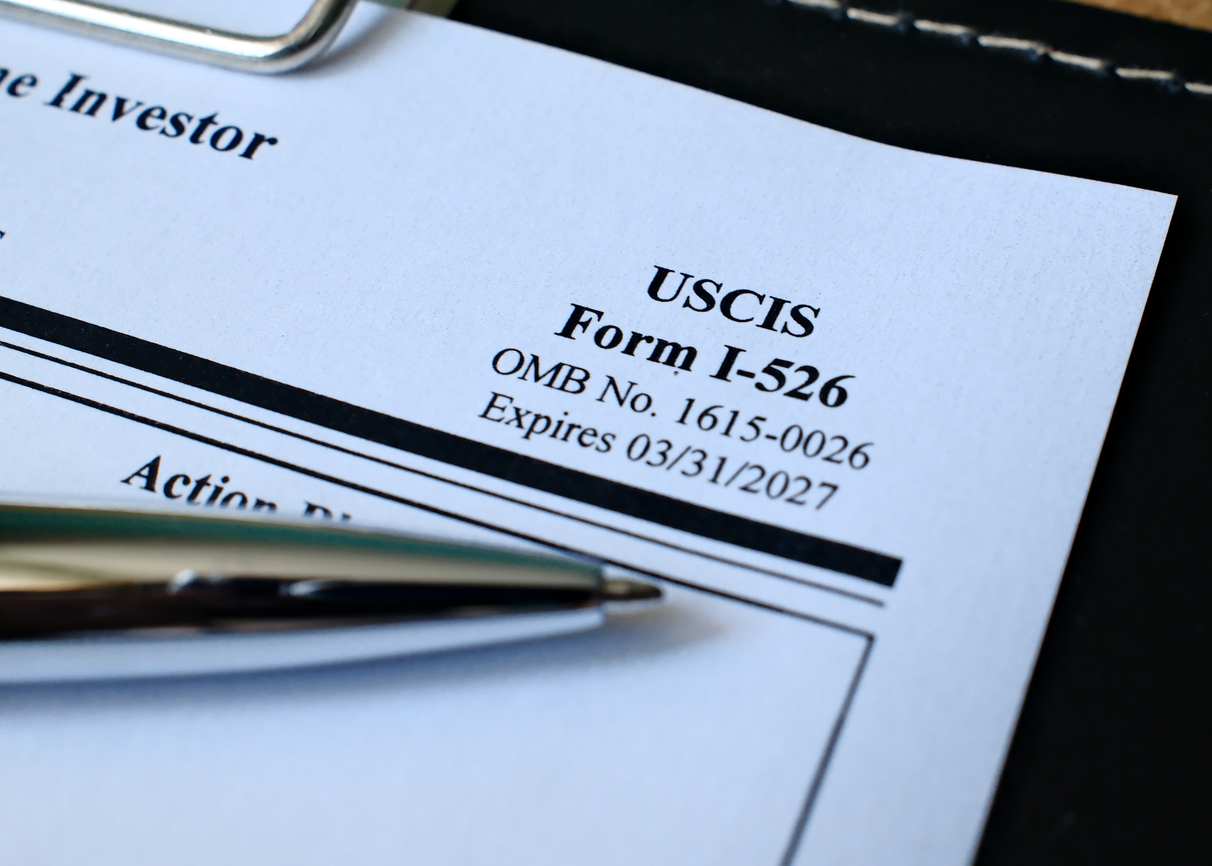
Receiving a Request for Evidence (RFE) from USCIS can feel overwhelming, but it’s important to remember one thing: an RFE is not a denial. It simply means the officer reviewing your case needs more information before making a final decision. Many applicants receive RFEs during the immigration process; it’s normal, and it’s fixable.
How you respond, and how quickly you take action, can make the difference between keeping your case moving or facing unnecessary delays.
If you’ve received an RFE, stay calm. Here’s what it means, how to respond correctly, and how to protect your immigration case.
USCIS sends an RFE when something in your application is missing, unclear, or inconsistent. It doesn’t mean you did something wrong, it means USCIS needs clarification.
Common reasons include:
Your RFE notice will outline:
Review USCIS’s official explanation of what an RFE means and how the review process works.
Every RFE is different, and small details matter. Read the notice line by line so you understand exactly what USCIS needs.
Pay close attention to:
Avoid assumptions, as your response must match the officer’s request precisely.
Visit Brudner Law’s page on Citizenship Services for help reviewing requests and preparing responses.
USCIS values clear, organized evidence over large stacks of paperwork. Make your response easy to review.
Best practices include:
See USCIS’s guidance on evidence, document format, and translation requirements.
Immigration officers review RFE responses detail by detail. Leaving questions unanswered or responding vaguely can slow your case or lead to another RFE.
Your response should:
If something in your previous application has changed, explain it clearly.
If you’re unsure how to respond, Brudner Law’s Waivers & Appeals services can help you avoid mistakes that might cause delays or denials.
USCIS does not grant extensions on RFEs. If you miss the deadline, your case is automatically denied.
Tips to stay on track:
After submitting your response, you can monitor progress using USCIS’s Processing Times Tool to get a sense of when updates may appear.
An immigration attorney can help ensure your response is complete, consistent, and aligned with the legal requirements of your case category.
Professional review helps:
If you want your response reviewed before submission, you can schedule a consultation with Brudner Law.
No. Ignoring an RFE results in an automatic denial, even if USCIS already has part of the information.
Yes, if they’re relevant. If you include extra evidence, briefly explain why in your cover letter.
Most cases receive updates within 60–90 days, but timing depends on the type of case and USCIS workload.
RFEs can feel intimidating, but they’re simply part of the immigration process. A clear, complete, and timely response keeps your case moving forward and shows USCIS you’re committed to providing everything needed for review.
If you’ve received a Request for Evidence and need help responding, contact Brudner Law in Orange County. Our immigration attorneys help clients strengthen their responses and keep their cases moving toward approval.

Embrace your Future with Brudner Law