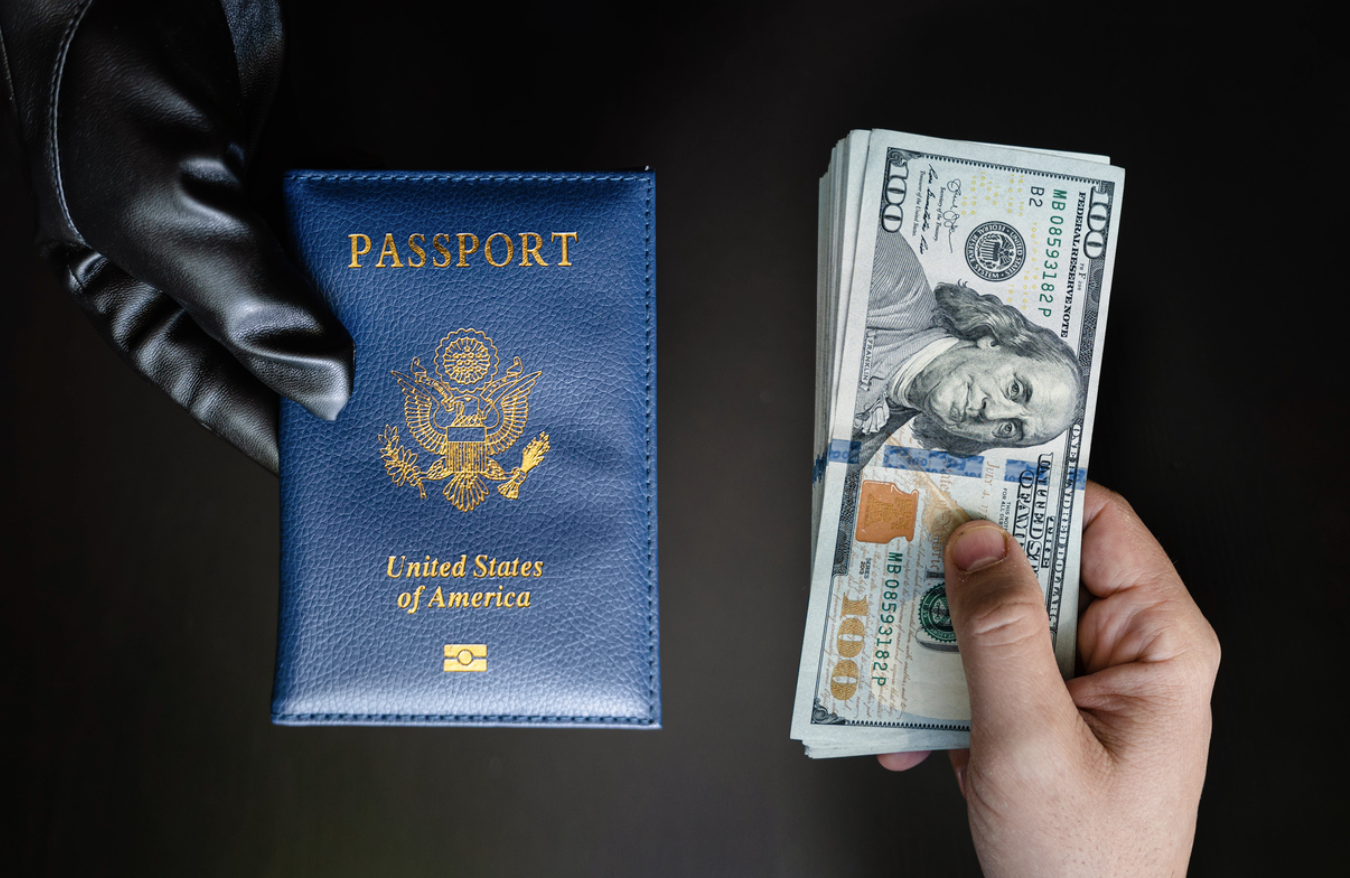
Immigration scams are becoming more common, especially during times of increased enforcement and uncertainty. Many bad actors take advantage of fear, confusion, or urgency by offering quick fixes, low-cost “legal help,” or guaranteed approvals that don’t exist.
Unfortunately, these scams can destroy valid cases, drain savings, and even lead to removal proceedings. Knowing how to spot real legal support versus a scam is the best way to keep your case safe.
If you’re seeking immigration help, here’s how to protect yourself and your case from dangerous scams.
Immigration fraud takes many forms, and scammers often target immigrants during moments of heightened anxiety or increased deportations. Recent reporting shows this trend clearly, with scammers promising legal services but delivering false filings or stealing sensitive documents.
To understand the risks, see NBC’s report on how scammers are targeting immigrants with fake legal services. Common types of scams include:
In many countries, a “notario” is a trained legal professional. In the U.S., it’s not. Scammers use this misunderstanding to trick immigrants into thinking they are attorneys.
Warning signs include:
Only licensed attorneys or accredited representatives can legally provide immigration advice.
No one—not even real attorneys—can guarantee USCIS approval.
If someone promises:
…it’s a scam.
Some scammers file forms you don’t qualify for, or worse, forms without your knowledge. This can lead to denials, fraud findings, or removal proceedings.
USCIS never asks for payments through:
Payments should be sent directly to USCIS or processed through a verified law office.
For additional protection tips, review USCIS’s official guidance on avoiding immigration scams through their Avoid Scams page.
You have the right to confirm the credentials of anyone offering immigration help.
Ask for:
Then, verify through your state bar’s online attorney lookup tool. Here is California’s tool.
If the person refuses to provide this, that’s a clear sign to walk away.
A legitimate law firm has:
Real attorneys use written retainer agreements explaining:
Scammers push for cash up front and avoid written agreements.
To see what licensed representation looks like, visit Brudner Law’s Immigration Services page.
Here are common red flags:
For more guidance on how federal agencies track and report scams, see the FTC’s immigration fraud resources.
If something feels wrong, act quickly.
Do not send more money, documents, or personal information.
Change passwords immediately if you have shared your login information.
Request your file or receipts for anything submitted.
Depending on the damage done, an attorney may be able to:
If a scam has already harmed your application, Brudner Law’s Waivers & Appeals services may help you determine the next steps.
Brudner Law offers:
If you need reassurance that your case is safe, reach out to the firm directly.
They can translate or type forms, but cannot provide legal advice or strategy.
Speak with an attorney immediately; this can indicate fraudulent filings.
Yes. Licensed attorneys charge for professional evaluation and legal guidance.
Immigration scams thrive when people feel scared or rushed. By learning how to spot fraudulent offers and verifying all legal assistance, you protect your case and your future.
If you want reliable guidance from licensed attorneys, contact Brudner Law in California for trusted support and a thorough case review.




Embrace your Future with Brudner Law