If you're thinking about applying for U.S. citizenship, one of the first questions on your mind is probably: how long is this going to take? The answer depends on several factors, but here's the short version — most applicants in 2026 can expect the full naturalization process to take roughly 6 to 9 months from filing Form N-400 to the oath ceremony.
That's a meaningful improvement from a few years ago, when wait times routinely stretched past a year. But processing times still vary depending on where you live, the complexity of your case, and whether your application is complete when you file. If you're ready to get started or want to confirm you're eligible, schedule a consultation with Brudner Law — we help clients across the country file with confidence.
Let's break down what the timeline actually looks like and what you can do to keep things moving.
As of early 2026, the national median processing time for Form N-400 is approximately 8 months. That makes naturalization one of the fastest-moving application types at USCIS right now — processing times are at their lowest since 2016.
That said, your actual wait time depends heavily on your local USCIS field office. Some offices are processing cases in as little as 5 to 6 months, while busier metro areas like Los Angeles, Miami, and New York may take closer to 10 to 12 months. You can check the estimated processing time for your specific field office using the USCIS processing time tool.
With processing times at their fastest in nearly a decade and USCIS backlogs growing across other form categories, now is one of the best windows in recent years to file your N-400. Waiting could mean longer delays if workloads shift back to naturalization.
The bottom line: the national picture is encouraging, but your experience will depend on where your case is being handled. Want to know the current estimate for your specific field office? We can check your local timeline and flag any issues before you file. Get in touch →
The naturalization process moves through several stages, each with its own typical timeframe. Here's what to expect after you file:
This timeline assumes a straightforward case. If USCIS needs to request additional evidence or your background check is delayed, expect the process to take longer.
Not every application moves at the same speed. Several factors can shorten or extend your wait:
If any of these factors apply to your situation — especially a criminal history, travel absences, or a prior immigration issue — it's worth speaking with an attorney before you file. A single mistake on your N-400 can lead to a denial or even trigger removal proceedings. Talk to an immigration attorney →
Understanding the costs upfront helps you plan and avoid payment-related rejections. The current N-400 filing fee is:
There is no separate biometrics fee — that cost is now built into the filing fee. If your household income falls between 150% and 400% of the Federal Poverty Guidelines, you may qualify for a reduced fee of $380 (paper filing only). If your income is at or below 150% of the guidelines, you may be eligible for a complete fee waiver through Form I-912.
One important change to know about: USCIS no longer accepts personal checks, money orders, or cashier's checks for paper filings. You'll need to pay by credit card (Form G-1450) or ACH bank transfer (Form G-1650). Online filers pay by credit, debit, or prepaid card — or by bank account withdrawal — during the submission process. For a full breakdown, see our guide on how much it costs to become a U.S. citizen.
If your processing time exceeds the estimated window for your field office, you have options. USCIS provides a case inquiry tool where you can check whether your case falls outside the normal processing range. If it does, you can submit a service request online or call the USCIS Contact Center at 1-800-375-5283.
Keep in mind that not all delays mean something is wrong with your case. The USCIS backlog reached a record 11.3 million pending cases across all form types in early 2025. While N-400 processing has been faster than most categories, staffing shortages and caseload imbalances at certain field offices can still cause slowdowns.
If your case has been pending for significantly longer than the posted estimate, or if you have an urgent need for your citizenship — such as an upcoming election, planned travel, or a job requiring U.S. citizenship — consulting with an immigration attorney about next steps is a smart move.
The good news is that many of the most common delays are preventable. Here's what you can do to give your application the best chance of moving quickly:
Many naturalization cases are straightforward, but certain situations carry real risk if handled without legal guidance. You should strongly consider working with an immigration attorney if any of the following apply to you:
Filing Form N-400 incorrectly doesn't just cause delays — in some cases, it can put your green card status at risk. An immigration attorney can review your full history, identify potential red flags, and make sure your application is airtight before it's submitted.
Schedule a consultation with Brudner Law →
Before filing, make sure you meet the basic requirements. You can apply for naturalization if you:
You can file Form N-400 up to 90 days before you meet the continuous residence requirement. This lets you get your application in the queue earlier. Unsure whether you qualify? See our overview of naturalized vs. derived citizenship to understand which path applies to you.
Not sure which category applies to you, or when you're eligible to file? Brudner Law offers nationwide consultations to evaluate your eligibility and build a personalized filing strategy. Start your evaluation →
The citizenship application process is faster now than it's been in years, but it still requires careful preparation. Mistakes on your application, missing documents, or a complicated history can turn a straightforward case into a months-long headache — or a denial that puts your status at risk.
Whether you need help confirming your eligibility, reviewing your N-400 before filing, or navigating a complex issue like a criminal record or travel history, Brudner Law is here to help. We serve clients across the country through video consultations and handle every step of the naturalization process — from filing through the oath ceremony.
Contact Brudner Law to talk through your options, or schedule a consultation and take the next step toward citizenship.



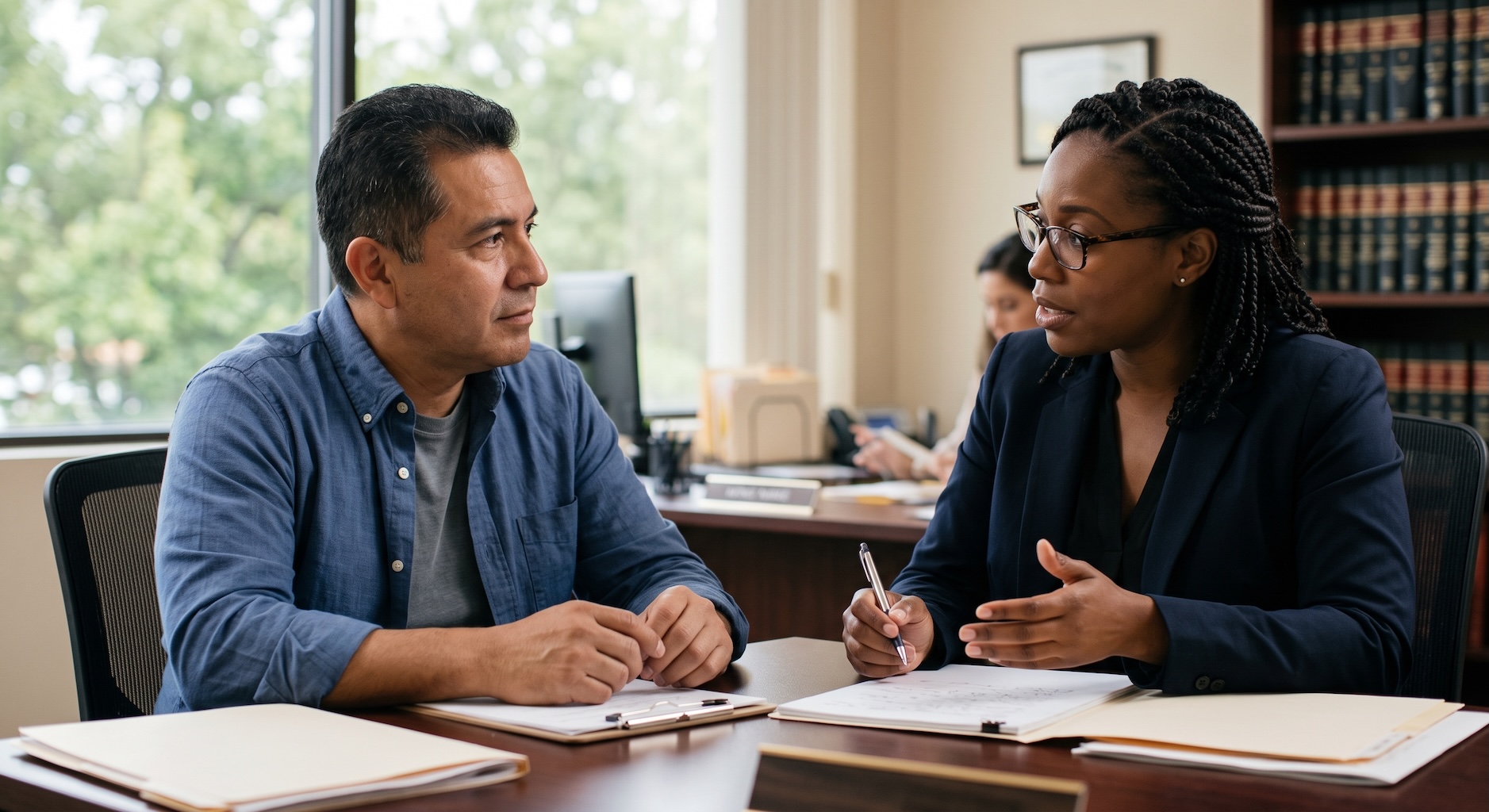
Embrace your Future with Brudner Law