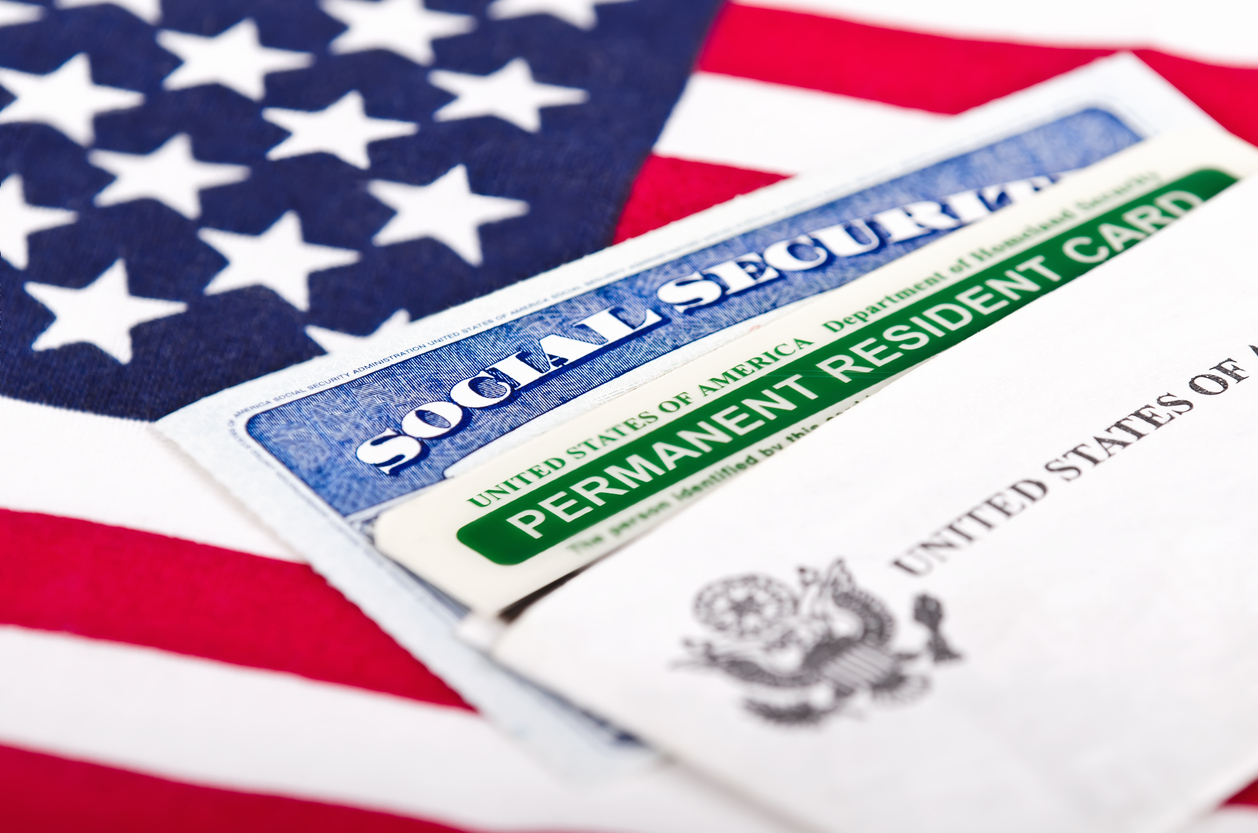
A valid green card is your proof of lawful permanent resident status in the United States. Without it, you may run into unexpected issues renewing your driver’s license, verifying work authorization, or traveling outside the country. Unfortunately, many people wait too long to renew and find themselves scrambling at the last minute.
The good news? Green card renewal is straightforward when you start early and avoid common pitfalls. Below, you’ll find simple steps to follow, what to expect, and how to handle an expired card so you can stay protected and avoid unnecessary delays.
Most permanent resident cards are valid for 10 years. To avoid any interruptions in daily life, you should file for renewal within 6 months of the expiration date.
The correct form for most permanent residents is Form I-90, Application to Replace Permanent Resident Card.
There are a few exceptions:
If you’re unsure which category applies to you, asking an attorney for guidance can prevent delays or denials.
Here’s what most applicants can expect during the renewal process:
You can file online or by mail. This form tells USCIS you want to renew or replace your permanent resident card.
These may include:
Be sure to confirm the current filing fees before you submit, as USCIS fees are subject to change.
USCIS will collect your fingerprints, photo, and signature. These are required for background checks.
Most renewals take 6–12 months. If you receive a Request for Evidence (RFE), respond quickly to avoid processing delays.
For help preparing your application, read more about how Brudner Law offers Immigration Services.
An expired green card does not take away your permanent resident status, but it can complicate your daily life.
You may encounter problems with:
If your card is already past its expiration date, follow these 3 guidelines.
This starts the renewal process immediately.
USCIS issues this after you file. It serves as temporary proof of your lawful status.
You may request an I-551 stamp in your passport by scheduling an appointment with USCIS. This stamp serves as temporary evidence of permanent residence.
For long-term solutions, consider whether naturalization is the next step. The most common next step for long-term residents is applying for U.S. citizenship to eliminate the need for future renewals. Learn more on Brudner Law’s Naturalization Services page.
Renewing a green card is simple unless you run into one of these avoidable issues:
Processing times vary, so applying early helps you avoid gaps in documentation.
Airlines may deny boarding, and reentry may be delayed.
If your name changed due to marriage, divorce, or court order, update your documents before filing.
Denials aren’t common, but they do happen often due to missing documents, past immigration violations, or incomplete forms.
If your renewal is denied, you may be able to:
If you receive a denial, you may be able to file a motion to reopen or reconsider the case. Or visit Brudner Law’s Waivers and Appeals page.
Yes, if you have both your expired green card and your I-797C receipt notice. Most receipt notice provide an automatic extension.
Yes. Employers may verify your status using your expired card and renewal receipt.
Typically 6–12 months, depending on USCIS processing.
Yes. Form I-90 is also used to replace lost, damaged, or stolen cards.
Renewing your green card on time protects your ability to work, travel, and prove your permanent resident status without interruption. With the right preparation and the support of an experienced immigration attorney, the process becomes much more manageable.
If your green card is expiring soon or has already expired, contact Brudner Law in Orange County for help filing Form I-90 correctly and keeping your residency secure.


Embrace your Future with Brudner Law