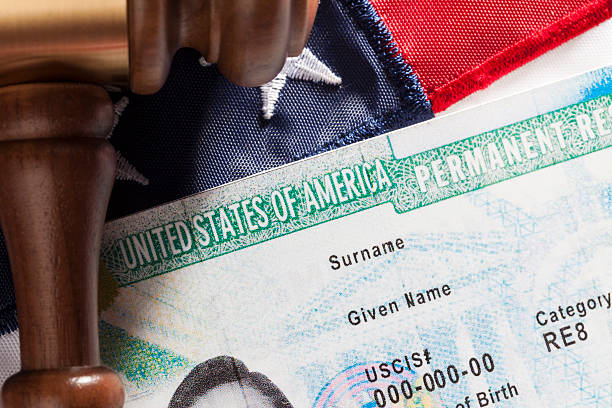
Waiting for a green card can already feel like your life is on pause, and needing to keep working, or start a new job, only adds to the pressure. The good news is that many people in the middle of the green card process can legally work while they wait. The less good news is that it depends heavily on which pathway you're on.
This question comes up often in our family immigration practice, where spouses and other relatives are working through the adjustment of status process, and for clients across Orange County, from Irvine to Mission Viejo, who are trying to plan their next paycheck around an uncertain filing timeline.
Rather than a one-size-fits-all answer, here's a breakdown of how work authorization eligibility differs across the most common green card pathways, so you can get a clearer sense of where you stand.
In most cases, yes, but only with the right work permit in hand, not automatically. If you're in the U.S. adjusting status, you can generally apply for an Employment Authorization Document (EAD) using Form I-765 once your green card application is filed.
Whether you're eligible and how quickly you can get the EAD depends on your specific pathway: marriage or family-based, employment-based, asylum-based, or VAWA. Working before your EAD is approved isn't advisable, even if you have a job offer in hand, since unauthorized work can create serious complications for the underlying case.
If you're adjusting status based on marriage to a U.S. citizen or lawful permanent resident, or through another family relationship, you can generally apply for an EAD at the same time as your green card application (Form I-485). Filing concurrently is one of the most common ways couples avoid a work gap while their case is pending.
For employment-based adjustment of status, EAD eligibility generally follows the same pattern; you can typically apply concurrently with your I-485. Many employment-based applicants also already hold a work visa that independently authorizes them to work, in which case the EAD serves more as a backup that protects continuity if the underlying visa status changes during the wait.
Asylum applicants face a different timeline. USCIS's own guidance on employment authorization for asylum applicants explains that you generally cannot apply for work authorization at the same time you file for asylum. Eligibility for an EAD based on a pending asylum application generally opens up only after your asylum application has been pending for a set period, and only if certain conditions are met, including appearing for required interviews and biometrics on schedule. This waiting period is one of the most difficult parts of the asylum process for many clients, and it's worth planning for early.
VAWA self-petitioners, survivors of abuse by a U.S. citizen or lawful permanent resident spouse, parent, or child, generally become eligible to apply for work authorization once their I-360 self-petition is approved. Because VAWA cases involve safety and confidentiality concerns, working with an attorney experienced in this area matters not just for the paperwork, but for protecting your privacy throughout the process.
For pathways where concurrent filing is available, submitting your EAD application alongside your green card application is almost always the better move. Filing separately later means starting the EAD clock from scratch instead of letting it run in parallel with your green card review, which can mean months of otherwise avoidable delay.
If you've already filed your green card application without the EAD request, it's not too late; you can still file Form I-765 on its own. You'll just want to do it as soon as possible rather than waiting.
Regardless of pathway, the work permit itself is requested using Form I-765, Application for Employment Authorization. Supporting documents and eligibility categories vary, so it's worth confirming the current requirements for your specific category before filing rather than assuming the process is identical across cases.
Green card cases don't always move on the timeline anyone expects, and an EAD that looked comfortably valid when you filed can end up needing renewal before your case is fully resolved. Missing a renewal window can mean an unplanned gap in your ability to work, so it's worth calendaring your EAD's expiration date the moment you receive it, not waiting until a renewal notice crosses your desk.
Working without authorization, even briefly, can create real problems for an otherwise strong green card case, including issues at your eventual interview. On the other hand, unnecessarily pausing your career while you wait for paperwork that you were actually eligible to file months earlier is its own kind of avoidable stress. Understanding exactly where your case falls, and filing at the right time, is one of the more practical ways an attorney can help.
This article is general information, not legal advice. Immigration law changes often, and every case is different, so please consult an immigration attorney about your situation.
A green card is a major milestone, but it doesn't have to mean putting your career on hold. Understanding your work authorization options is one of the most concrete ways to feel a sense of control while your case moves forward, wherever in Orange County you call home.




Embrace your Future with Brudner Law