When you’re navigating the U.S. immigration system, whether you’re applying for a green card, extending a visa, or preparing for naturalization, your paperwork isn’t just clutter. Many documents are critical proof of your legal status, work authorization, and travel history, and losing or discarding them can lead to delays, complications, or even jeopardize your case.
At Brudner Law, we often see clients who didn’t realize how important certain documents are until they were asked to produce them by U.S. Citizenship and Immigration Services (USCIS), an employer, or an immigration officer.
Here’s a straightforward guide to the immigration documents you should never throw away.
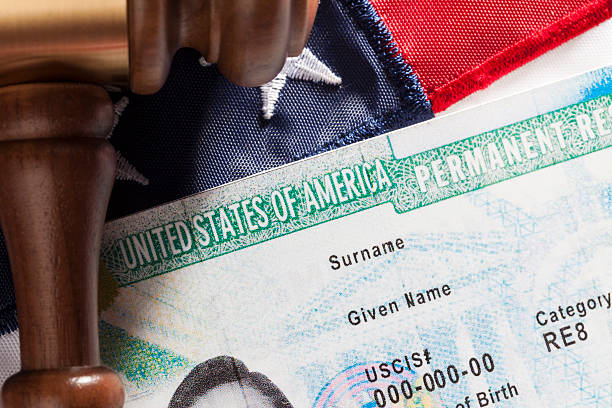
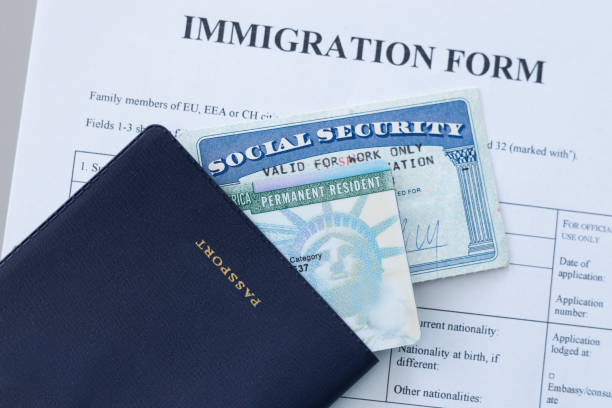
If you are a lawful permanent resident, your Green Card is the primary proof of your right to live and work in the U.S. It also serves as identification in many situations.
USCIS lists the Green Card as one of the most commonly used immigration documents. Even expired green cards or previous versions can be useful when proving your immigration history.
Without your physical Green Card, you may be unable to demonstrate your status to employers, government officials, or border agents.
Even if the document has expired and you received a new one, you should still keep all old copies as well.
Your passport and Form I-94 arrival-departure record together tell the story of when and how you entered the United States. The I-94 is an arrival-departure record maintained by U.S. Customs and Border Protection (CBP) that tracks your period of authorized stay. Prior to 2013, CBP issued paper I-94 cards at ports of entry—if you were ever issued one of these physical cards, hold onto it. Today, I-94 records are electronic and can be accessed online at https://i94.cbp.dhs.gov/home, but older paper versions remain valuable proof of entry and status.
These documents are essential for:
● proving your legal entry,
● checking your authorized length of stay,
● supporting adjustment of status or visa extension applications.
Even if you renew your passport, keep your old passports with U.S. entry/exit stamps, and if you were issued a paper I-94 before 2013, keep that too. They help establish important immigration timelines
If you’ve held temporary work authorization, your Employment Authorization Document (Form I-766 or similar) proves that you were legally permitted to work in the U.S.
This matters not just for your own records, but if you ever need to:
Keep both current and expired EADs in a safe place.
Whenever USCIS approves, denies, or receives an immigration application, it issues a Notice of Action (Form I-797).
These notices can prove:
Important: Even if a case was denied, keep the notice. It often contains critical dates and explanations you or your attorney may need later.
If you apply for certain immigration benefits, including adjustment of status, you may receive travel authorization like Advance Parole (Form I-512) or Re-Entry Permits (Form I-327).
These documents let you re-enter the U.S. without abandoning your immigration application or status. Throwing them away or losing them can leave you stranded abroad or delay your case.
These might have been submitted with your immigration case and remain important because they can prove family relationships, eligibility for certain visas, and legal name changes. Certified copies (with seals/stamps) are worth safeguarding.
Keep both the original and certified translations if they’re not in English.
Old visas and consular paperwork still tell immigration officers about your travel and status history. Even if a visa has expired, it can support your immigration narrative, especially for adjustment of status or consular processing cases.
Retaining your immigration documents isn’t just about convenience; it’s about protecting your legal status and future in the U.S.
Failing to keep key immigration documents can result in:
If you’re unsure which documents matter most for your situation or need help obtaining replacements, the immigration attorneys at Brudner Law can help you organize your paperwork and develop a strategy that keeps you prepared at every stage.
For personalized guidance on your immigration status, contact Brudner Law in California to schedule a consultation and let experienced immigration counsel support your journey.


Embrace your Future with Brudner Law