Applying for U.S. citizenship is a major milestone. For many permanent residents, it represents stability, security, and a long-term future in the United States. Yet while most applicants focus on meeting the basic eligibility requirements, many overlook potential issues in their immigration or personal history that can delay or derail the naturalization process.
USCIS reviews naturalization applications closely. According to USCIS naturalization statistics for fiscal years 2024–2025, nearly 900,000 people become U.S. citizens each year. However, thousands of applications are denied due to issues related to good moral character, residency, or documentation, many of which could have been addressed ahead of time.
Fixing potential problems before filing helps create a smoother, more confident application experience. Here are five of the most common issues to review before submitting Form N-400.
A naturalization application is not reviewed in isolation. USCIS examines your entire immigration history, often going back decades.
Common issues include:
Even small discrepancies can raise questions or lead to requests for additional evidence. Reviewing your full history before applying helps ensure your application tells a clear and accurate story.
USCIS outlines basic eligibility requirements and timelines in its official naturalization eligibility guide. However, identifying how your specific history fits those rules often requires a deeper review.
Brudner Law works with clients through naturalization and citizenship services to identify potential hurdles early, before they become problems during adjudication.
Travel outside the United States can directly affect eligibility for citizenship, particularly when it comes to continuous residence and physical presence requirements.
Issues often arise when:
Accurate travel documentation is essential. Before filing, applicants should verify their travel history using the official CBP I-94 travel history portal, which allows you to confirm entry and exit dates recorded by U.S. Customs and Border Protection.
Reviewing and correcting discrepancies early helps prevent delays or challenges during the interview stage.
Naturalization applicants must demonstrate compliance with U.S. tax obligations. USCIS may review tax records as part of the good moral character analysis.
Common concerns include:
These issues do not automatically disqualify an applicant, but failing to address them before filing can create complications. Resolving tax matters in advance shows responsibility and helps avoid unnecessary scrutiny.
Brudner Law provides educational guidance through immigration resources to help applicants understand how financial and compliance issues can affect immigration outcomes.
One of the most common mistakes applicants make is assuming that an old or minor incident “doesn’t count.” In reality, all arrests, citations, and charges must be disclosed, even if they occurred years ago or were dismissed.
Problems arise when:
Understanding how prior history affects eligibility is critical. In some cases, legal remedies may need to be addressed before applying for citizenship.
If an applicant’s history includes arrests, prior denials, or unresolved immigration issues, legal review through waivers or appeals may be necessary before proceeding with an N-400 application.
Naturalization applications rely heavily on accurate documentation. Missing or disorganized records can slow processing and increase the likelihood of requests for evidence.
Common documentation issues include:
Organized records allow USCIS officers to review cases more efficiently and reduce unnecessary delays. Preparing documentation in advance also helps applicants feel more confident going into interviews.
Addressing potential problems before filing helps:
Preparation creates flexibility. Instead of reacting to issues under pressure, applicants who prepare early have options and clarity throughout the process.
Brudner Law emphasizes preparation before filing, not after problems arise. The firm helps clients:
This approach supports long-term immigration goals, not just completing the next form. Learn more about the firm’s mission and its work with individuals and families throughout Orange County and beyond.
It is especially important to review your situation before applying if:
Early review creates clarity instead of pressure and helps applicants move forward with confidence.
U.S. citizenship is a major step that deserves careful preparation. Fixing issues early helps prevent setbacks later and allows the process to feel manageable and informed.
If you are planning to apply for U.S. citizenship, contact Brudner Law to review your history and prepare your application with clarity and confidence before filing.



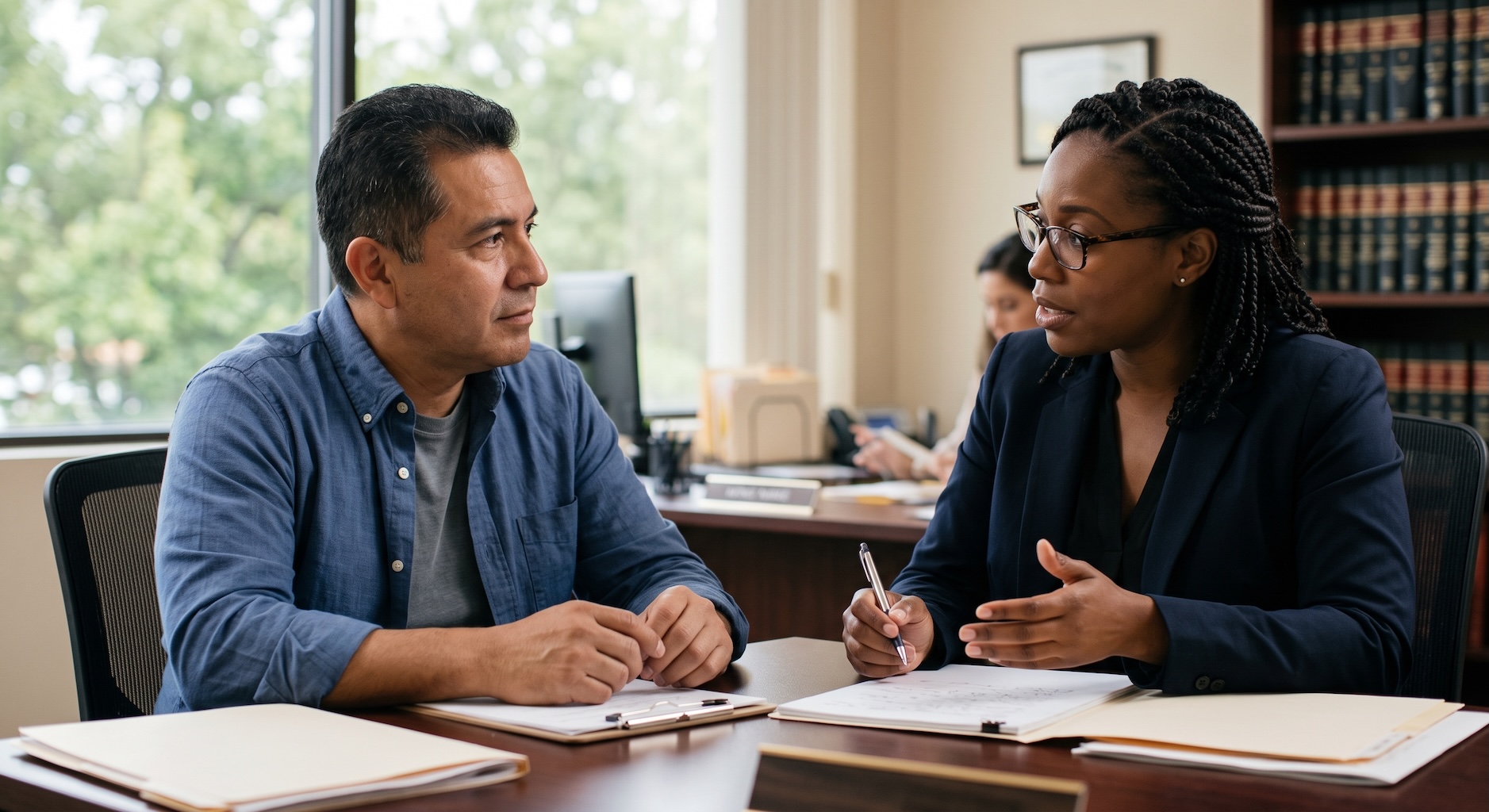
Embrace your Future with Brudner Law