Losing a spouse is devastating on its own. When your immigration case is tied to that marriage, it can also create fear about whether your status, green card application, or future in the United States will disappear overnight.
In many cases, it does not. Immigration law includes protections for some surviving spouses of U.S. citizens, but the next step depends heavily on where your case stands when your spouse dies.
If you are in Irvine, Orange County, or anywhere in Southern California, it is important to review the case quickly so deadlines, filing options, and evidence are not missed. USCIS allows certain widow(er)s of U.S. citizens to continue toward permanent residence through Form I-360, and separate surviving-relative protections may also apply in some pending cases.
Not always.
If your U.S. citizen spouse dies, your options may depend on whether you:
USCIS still recognizes widow(er) immigration benefits in many situations. The key issues are timing, whether the marriage was real, whether you remarried, and whether a different filing route now applies. The current USCIS Form I-360 page specifically includes “the widow(er) of a U.S. citizen” as an eligible category, and USCIS materials also explain that certain pending or approved spousal I-130 petitions can convert to widow(er) classification after the petitioner’s death.
A surviving spouse of a U.S. citizen may still be able to seek a green card by filing Form I-360 as a widow or widower. USCIS says widow(er)s of deceased U.S. citizens may use this form, and the agency states that eligibility ends if the surviving spouse remarries before immigrating or adjusting status. USCIS materials also reflect that surviving spouses generally must file within two years of the U.S. citizen spouse’s death.
That means the case may still move forward, but it is no longer handled exactly like a standard marriage-based petition. Instead of relying on the deceased spouse to sponsor the case, the surviving spouse may need to self-petition under the widow(er) category.
For background on marriage-based filings, our guide on getting a green card through marriage and our family immigration services can help explain how the process changes after a spouse’s death.
This is where many people panic unnecessarily.
USCIS indicates that for surviving spouses of U.S. citizens, a pending or approved Form I-130 may convert to a widow(er) Form I-360 classification rather than simply ending with the petitioner’s death. USCIS training materials state that a spousal petition pending at the time of death is adjudicated as a pending widow/widower petition, and an approved spousal petition is treated as an approved widow/widower petition, as long as the surviving spouse still meets the legal requirements.
In practical terms, that means the case may still be salvageable, but USCIS should be updated promptly, and the record should be organized correctly.
If you already have a properly filed adjustment-of-status application pending when your U.S. citizen spouse dies, the case may still continue in some situations. USCIS policy explains that an adjustment applicant may still be approved after the qualifying relative dies if the requirements for surviving-relative relief are met. USCIS also explains that if the person would otherwise have received conditional permanent residence based on a recent marriage, but the petitioning spouse dies before adjustment is granted, the applicant should receive permanent residence without conditions.
That last point matters a lot. In some cases, the spouse’s death before approval may actually change the type of green card issued.
If your interview is still pending, our green card interview document checklist and guide on whether you need an attorney at the interview may also help you prepare for what happens next.
If you have already become a conditional permanent resident through marriage, your status does not necessarily end because your spouse has died. But you still need to address the next filing step.
USCIS says conditional residents who obtained status through marriage generally use Form I-751 to remove conditions. The current Form I-751 materials specifically include an individual filing option where the conditional resident cannot file jointly because “My spouse is deceased.” USCIS policy also explains that if the petitioning spouse dies before filing, the conditional resident must file Form I-751 with proof of death, and if the spouse dies after a joint filing, USCIS can amend the petition and exempt the resident from the joint-filing requirement.
So if you already hold a two-year green card, the issue is usually not whether you lose status immediately. The issue is whether you file the right I-751 request on time with strong proof that the marriage was entered into in good faith.
See more on our resource about what happens to my green card if my spouse dies.
Even after a death, USCIS may still look closely at whether the marriage was genuine. A surviving spouse case is not automatically approved just because the spouse died. The record still has to support that the marriage was legally valid and entered into in good faith, not for immigration purposes. USCIS policy on spouses and marriage fraud makes clear that marriage-based immigration benefits can be denied where there is substantial and probative evidence of marriage fraud.
That means records such as these can still matter:
The most important takeaway is that the death of a U.S. citizen spouse does not automatically erase every immigration option. Some surviving spouses can self-petition through Form I-360. Some pending I-130 or I-485 cases may still move forward. Some conditional residents may keep their path to permanent residence through an I-751 individual filing request.
USCIS’s current guidance supports all three possibilities, depending on the posture of the case. If your U.S. citizen spouse has died and you are worried about your immigration status in Irvine, Orange County, or anywhere in California, Brudner Law can help you determine which filing route still applies, what evidence is needed, and how to avoid losing a viable case because of confusion or delay.
Learn more about Brudner Law’s family immigration services or schedule an online or in-person consultation to discuss your options.



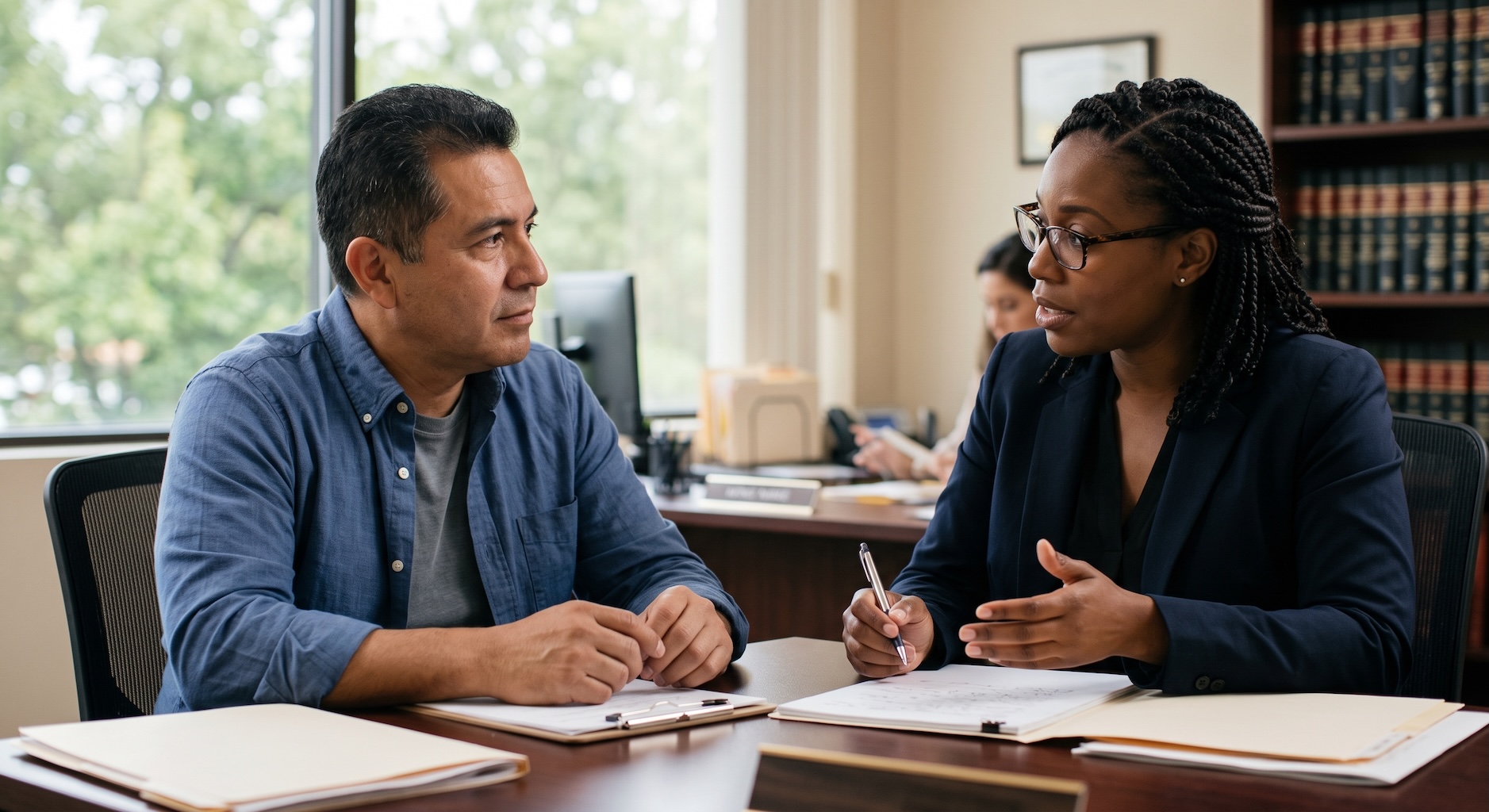
Embrace your Future with Brudner Law




.png)