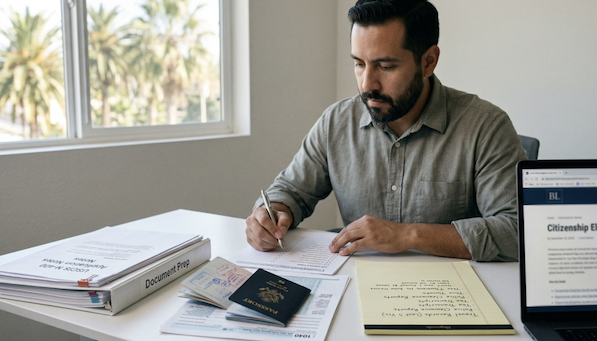
Applying for U.S. citizenship can seem simple at first glance. Many lawful permanent residents assume that if they have had a green card for the required amount of time, they are ready to move forward with naturalization.
In reality, citizenship eligibility often depends on more than timing alone. Travel outside the United States, tax filing history, and prior arrests can all create issues during the naturalization process.
If you are applying for citizenship in Irvine, Orange County, or elsewhere in Southern California, reviewing these areas early can help you avoid delays, requests for evidence, or unnecessary complications with Form N-400.
If you are preparing to file Form N-400, three of the most common issues are:
Each of these connects directly to two major naturalization requirements: continuous residence and good moral character. If either is affected, your citizenship application may face delays, added scrutiny, or denial.
To qualify for U.S. citizenship, you must meet both continuous residence and physical presence requirements.
Travel outside the United States can affect these requirements more than many applicants expect. Long absences may raise questions about whether you maintained your primary residence in the U.S., and repeated travel can also create concerns if the pattern suggests that you were living abroad more than living here.
Even one extended trip can cause problems. According to USCIS policy, absences of more than six months may disrupt continuous residence, while absences of one year or more can automatically break it. For citizenship applicants in Irvine and beyond, this is one of the most common areas to review carefully before filing.
USCIS does not rely only on the dates listed in your application. Officers may compare your travel history with other records, including passport stamps, I-94 records, and prior immigration filings.
Even small inconsistencies, such as incorrect dates or missing trips, can raise concerns. These issues often lead to follow-up questions, document requests, or delays while the case is reviewed more closely.
Your travel history should be complete, accurate, and consistent across all records. When there are gaps or conflicting dates, those details can slow down an otherwise strong citizenship case.
Learn more from LegalClarity about how long you can be out of the country for citizenship.
Tax compliance is not just a financial matter. It can also affect how USCIS evaluates your naturalization application.
The IRS requires most U.S. residents to report worldwide income and file annual tax returns, making compliance a key part of maintaining eligibility.
Problems such as unfiled tax returns, filing incorrectly as a nonresident, or carrying unresolved tax debt can create concerns during the citizenship process. These issues may lead USCIS to question whether you meet the good moral character requirement.
For many applicants, tax problems are not intentional. But if they are not addressed before filing, they can become a much bigger issue during naturalization review.
Good moral character is one of the core requirements for naturalization. Under U.S. law, applicants must demonstrate they have been and continue to be of good moral character during the required period.
In a citizenship case, USCIS may review whether you have followed the law, handled important obligations responsibly, and been truthful in your applications and records. This review usually focuses on the statutory period before filing, though older issues can still matter if they affect credibility or show a pattern of conduct.
Even issues that seem minor at first, such as unpaid taxes, incomplete disclosures, or inconsistencies between applications, can affect how your case is evaluated.
Not every arrest prevents someone from becoming a U.S. citizen, but every incident should be reviewed carefully and disclosed properly.
One of the most common mistakes applicants make is assuming something does not matter because it was dismissed, happened years ago, or did not lead to jail time. In many cases, the bigger problem is not the event itself. It is failing to disclose it or failing to provide the right documentation.
Repeated offenses, unresolved cases, or issues involving dishonesty can create more serious concerns about eligibility. If you are unsure how an arrest or prior criminal matter could affect your citizenship application, it is better to review it before filing rather than wait for it to become a problem during the interview.
Filing for citizenship without reviewing your travel history, taxes, and legal background can lead to avoidable setbacks. Common outcomes include requests for additional evidence, delays in processing, or even denial of your application.
Naturalization is not just a review of your current status. It is a review of your history over time. That is why issues that seem small now can become much more serious once USCIS begins reviewing the full record.
If past issues may affect your case, Brudner Law’s waivers and appeals services may also be helpful, depending on the facts involved.
Before filing Form N-400, take time to review your full history carefully.
Start with the basics:
For applicants in Irvine, Orange County, and surrounding Southern California communities, this kind of review can make a major difference in how smoothly the process goes. Careful preparation now can save time, stress, and added expense later.
At Brudner Law, based in Irvine, California, we help clients prepare for naturalization by identifying potential issues before the application is filed.
That may include reviewing travel history, checking prior filings for inconsistencies, assessing tax-related concerns, and evaluating whether past arrests or other legal issues could affect the case. Our goal is to help clients in Irvine, Orange County, and beyond move forward with a citizenship application that is clear, organized, and properly supported.
Learn how our team supports naturalization cases.
Citizenship is a major milestone, but it requires careful review. Travel history, tax compliance, and past legal issues can all affect the outcome of your application.
The goal isn’t just to apply. It’s to apply with confidence.
If you are looking for an immigration attorney serving Orange County, schedule a consultation with Brudner Law in Irvine to review your history and move forward with clarity.


Embrace your Future with Brudner Law