Violence Against Women Act (VAWA) immigration cases involve far more than filing forms with USCIS. These cases sit at the intersection of immigration law, personal safety, and long-term stability.
For many applicants, a VAWA self-petition represents not only a legal process but a critical step toward independence and protection. Because of this complexity, VAWA cases cannot be approached like standard family-based immigration filings.
Strategy matters at every stage, from how evidence is gathered to when applications are filed. A thoughtful, informed legal approach can make a meaningful difference in both the outcome of the case and the well-being of the individual behind it.
VAWA allows certain individuals to seek immigration relief without relying on a U.S. citizen or lawful permanent resident spouse, parent, or child. This independence is what makes VAWA such a powerful form of immigration relief, but it also introduces unique challenges.
Unlike traditional family-based petitions, VAWA cases:
USCIS evaluates VAWA self-petitions differently than standard filings, focusing heavily on credibility, consistency, and context. The agency outlines eligibility requirements in its official VAWA self-petition overview, which explains who may qualify to file independently of a qualifying family member..
Brudner Law approaches these matters through its work on VAWA green card cases, prioritizing both safety and long-term immigration stability.
Evidence in a VAWA immigration case rarely looks like evidence in other family-based petitions. Many individuals do not have access to traditional documentation or may never have reported what they were experiencing due to fear, isolation, or dependence on their spouse or partner.
VAWA cases often rely on a broader and more nuanced range of evidence, including:
There is no single “correct” form of proof. USCIS evaluates the totality of the evidence, which makes strategic organization and presentation essential. A careful legal strategy ensures the narrative is clear, consistent, and supported in a way that minimizes emotional harm throughout the process.
Timing plays a critical role in VAWA cases. When a petition is filed can affect eligibility, access to work authorization, and adjustment of status options.
Strategic timing may influence:
Filing too early or too late can limit available relief or create avoidable delays. A thoughtful legal plan helps preserve options and ensures that each step supports the client’s long-term goals rather than creating unintended consequences.
VAWA cases often involve individuals who have experienced significant emotional, psychological, or physical harm. A trauma-informed legal approach recognizes that the legal process itself can feel overwhelming or unsafe without proper care.
Effective VAWA legal strategy prioritizes:
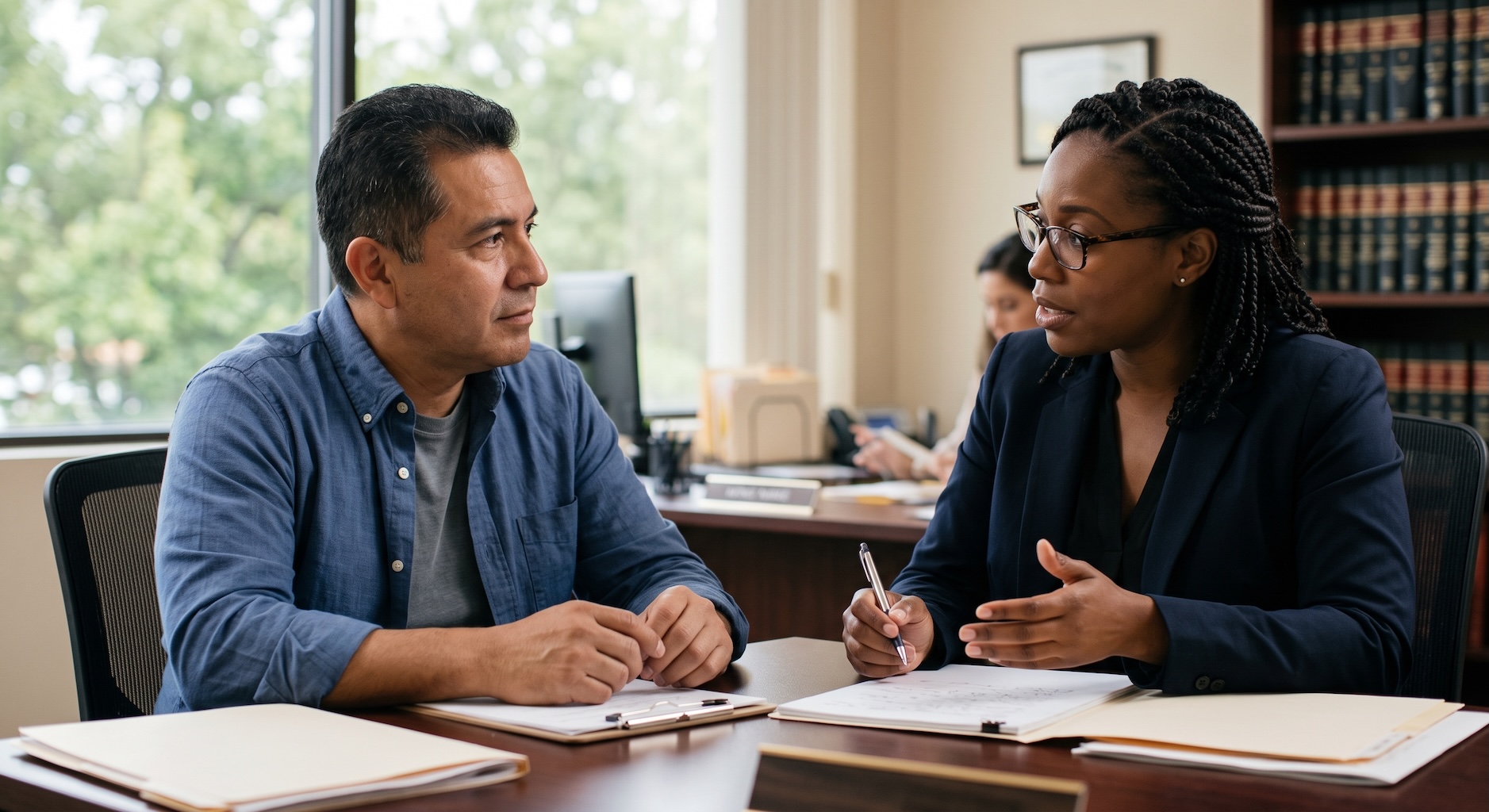
Legal representation must support both the case and the person behind it. Learn more about our team and our dedication to providing a supportive environment where your story is heard with compassion and professional discretion.
Applying a standard family-based immigration strategy to a VAWA case can create serious problems. These cases demand customization based on individual history, risk factors, and future plans.
Common risks of using a generic approach include:
VAWA cases are deeply personal and legally complex. A one-size-fits-all strategy often fails to address critical details that USCIS officers are trained to scrutinize closely.
VAWA includes strict confidentiality protections designed to prevent abusers from learning about a petitioner’s immigration filing. These protections are a cornerstone of the law and must be carefully preserved throughout the process.
Legal strategy must account for:
Federal confidentiality safeguards are enforced under U.S. law, and more information about these protections is available through the U.S. Department of Justice’s Office on Violence Against Women. These rules influence how cases are handled from start to finish and reinforce why discretion and experience matter in VAWA representation.
Brudner Law approaches VAWA immigration cases with care, discretion, and strategic focus. Each case is treated as unique, with attention to both legal requirements and personal circumstances.
The firm emphasizes:
Clients are guided through each step with transparency and respect. Additional information on VAWA and related immigration topics can be found through our immigration resources.
Early legal guidance can make a significant difference in a VAWA case. Speaking with an immigration attorney early helps:
Even individuals who are unsure whether they qualify may benefit from a confidential consultation. Brudner Law’s immigration services are designed to help clients understand their options in a safe, supportive setting.
VAWA cases require more than completing forms. They require a legal strategy that respects the individual’s experience while protecting their future.
The right approach supports both immigration outcomes and personal well-being. Thoughtful planning, careful timing, and experienced representation make a meaningful difference in these cases.
If you are considering a VAWA petition or have questions about your options, contact Brudner Law for confidential, compassionate guidance tailored to your situation.



Embrace your Future with Brudner Law