A layoff is jarring enough on its own. For someone working in the United States on an employer-sponsored visa, or in the middle of a green card process tied to a job, the fear that follows can be even sharper: does losing this job mean losing my ability to stay?
The reassuring truth is that U.S. immigration law includes real protections for people in this exact situation, though what applies to you depends heavily on your specific status. Understanding those protections, and moving quickly once you know them, can turn a frightening moment into a manageable one.
Here's a look at what typically happens to an immigration case after a job loss, and what steps tend to matter most in the days that follow.
The answer depends on where you are in your immigration journey:
Every situation is different, and the right next step depends on your specific visa category and timeline, which is exactly what a consultation with an experienced immigration attorney can help sort out quickly.
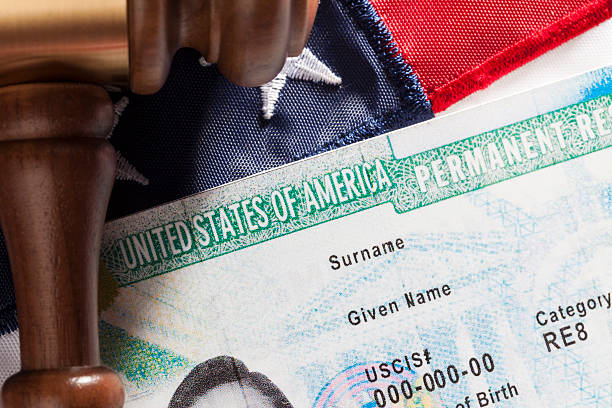
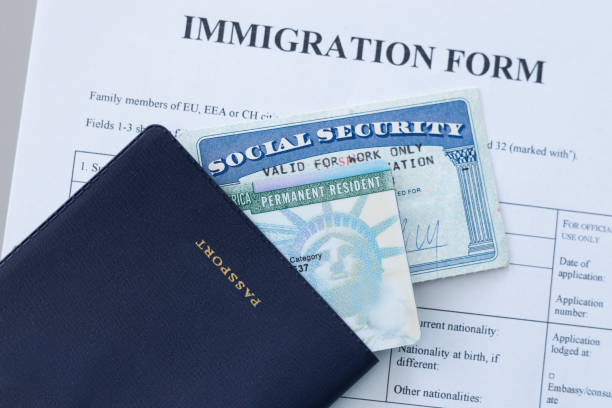
If you hold a green card, it's worth saying plainly: losing a job does not put your permanent resident status at risk. Green card holders are not required to maintain a specific job to keep their status, and this article's guidance about grace periods and job portability applies to people on temporary, employer-sponsored visas or those still in the process of obtaining a green card, not to those who already hold one.
For workers in certain employer-sponsored categories, including H-1B, E-1, E-2, E-3, L-1, O-1, and TN status, USCIS regulations provide for a discretionary grace period of up to 60 consecutive days, or until the end of the authorized validity period, whichever is shorter. During this window, the worker is generally considered to have maintained their nonimmigrant status even though the underlying job has ended.
This grace period isn't a work permit. It's a window of time to take one of a few next steps: find a new sponsoring employer, apply to change to a different nonimmigrant status, apply for adjustment of status if eligible, or prepare an orderly departure from the United States.
Note: USCIS has flagged its detailed guidance on this topic as archived, meaning the underlying regulation still applies but the agency's explanatory page is no longer being actively updated, which is one more reason to confirm your specific situation with an attorney rather than relying solely on general online guidance.
For H-1B workers specifically, the law provides an added benefit called portability: if a new employer files a nonfrivolous H-1B petition on your behalf, you may be able to begin working for that new employer as soon as the petition is filed, without waiting for it to be approved.
This can meaningfully shorten the gap between jobs for H-1B holders who find a new sponsor quickly. Workers in other categories, such as TN or E-2, generally need to wait for a new petition or application to be approved before resuming work, which makes acting early during the grace period especially important.
If your employer sponsored you for a green card and your Form I-485 adjustment of status application has been pending for 180 days or more, federal law generally allows you to change jobs or employers without restarting your case, as long as the new position is in the same or a similar occupational classification as the one described in your original petition.
This is often called job portability, and it exists specifically to protect workers caught in long green card backlogs from being trapped with a single employer. If your I-485 has not yet reached the 180-day mark, changing jobs before that threshold can put your case at risk, which makes timing especially important to confirm before making a move.
The first several days after an unexpected job loss matter most. It helps to check your Form I-94 record to confirm your current authorized stay, gather documentation of your last day of employment such as a termination letter or final pay statement, and reach out to an immigration attorney promptly rather than waiting to see what happens. Because grace periods and portability rules are time-sensitive and fact-specific, getting an experienced read on your situation early gives you the most options.
This article is general information, not legal advice. Immigration law changes often, and every case is different, so please consult an immigration attorney about your situation.
Losing a job while your future in the U.S. feels tied to it is genuinely frightening, but the law recognizes that reality and builds in real room to respond. With the right guidance and quick action, many people in this situation are able to protect their status and move forward with confidence.
If you've recently lost your job and aren't sure what it means for your case, we're here to help you understand your options right away.


Embrace your Future with Brudner Law