Can I get a green card through marriage?
A U.S. citizen or lawful permanent resident may petition for an eligible spouse. The marriage must be legally valid and genuine, and the applicant must meet the requirements for the green card process. Marriage alone does not give someone lawful immigration status.
We begin with both spouses' circumstances: the sponsor's status, where the applicant lives, entry and travel history, earlier immigration filings, and any issue that needs closer legal review. Our team explains which steps fit your case before preparing a filing.
Adjustment of status or consular processing?
An eligible applicant inside the United States may seek adjustment of status through Form I-485. A spouse abroad generally follows consular processing after the family petition, through the National Visa Center and a U.S. embassy or consulate. Visa availability and the applicant's history can affect the route and timing.
An approved Form I-130 establishes the qualifying relationship; it is not the green card itself. Filing an application does not by itself authorize work or travel. Get individual advice before leaving the United States while a case is pending.
Documents that help tell your story
Your checklist should match your circumstances. Records commonly reviewed include:
- Proof of the sponsoring spouse's U.S. citizenship or permanent residence.
- A marriage certificate and records showing that any earlier marriages legally ended.
- Evidence of your shared life, such as joint housing, finances, insurance, and other relationship records.
- The applicant's identity documents, entry records, and earlier immigration notices.
- Financial sponsorship records and other evidence required for the chosen application path.
Our team helps identify missing records and inconsistencies so the forms and evidence describe the same history. Read our marriage green card document guide for a starting point.
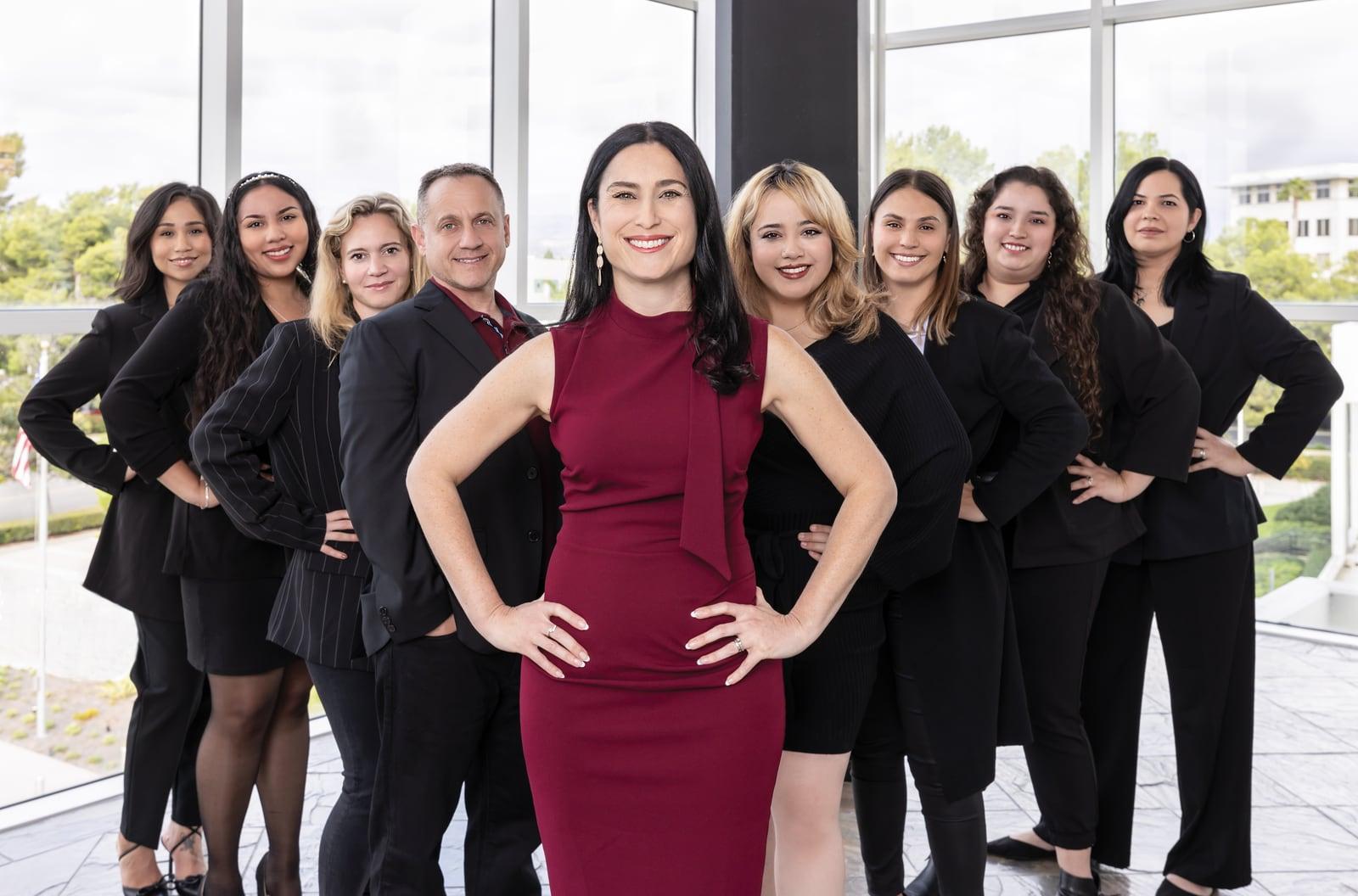
How Brudner Law helps
- Review the appropriate petition and application route.
- Prepare forms and organize relationship and financial evidence.
- Explain USCIS notices and requests that arise within the agreed representation.
- Help you prepare for the interview and understand the next steps after a decision.
We discuss the scope of representation and attorney fees before you retain the firm. A consultation is the place to review complications such as earlier denials, immigration violations, criminal history, or a change in the relationship.
Costs, timing, and the next stage
Government filing fees are separate from attorney fees and depend on the forms and filing method. Check current fees on the official form pages before filing. Processing times vary by category, agency, and case history; a published estimate is not an approval promise.
Marriage-based residence may be conditional when the marriage is less than two years old when permanent residence is granted. Removing those conditions is a separate process, generally using Form I-751. Renewing a ten-year card uses a different procedure.
Plan your next step
Official sources
- USCIS: Form I-130 and instructions.
- USCIS: Form I-485 and instructions.
- USCIS: Form I-751, removal of conditions.
This page provides general information. A consultation allows us to consider the facts of your case.
Questions about your case?
Talk with an immigration attorney in Irvine or by video. Consultations are $165 by video and $195 in person.
Book a consultation (714) 794-9366