Skip to content

Practice area

U & T Visas

U and T nonimmigrant protections provide lawful status, work authorization pathways, and a bridge toward permanent residence for qualifying survivors of serious crimes and human trafficking. We help survivors evaluate both pathways confidentially, navigate law-enforcement certifications and waivers, and protect eligible family members.

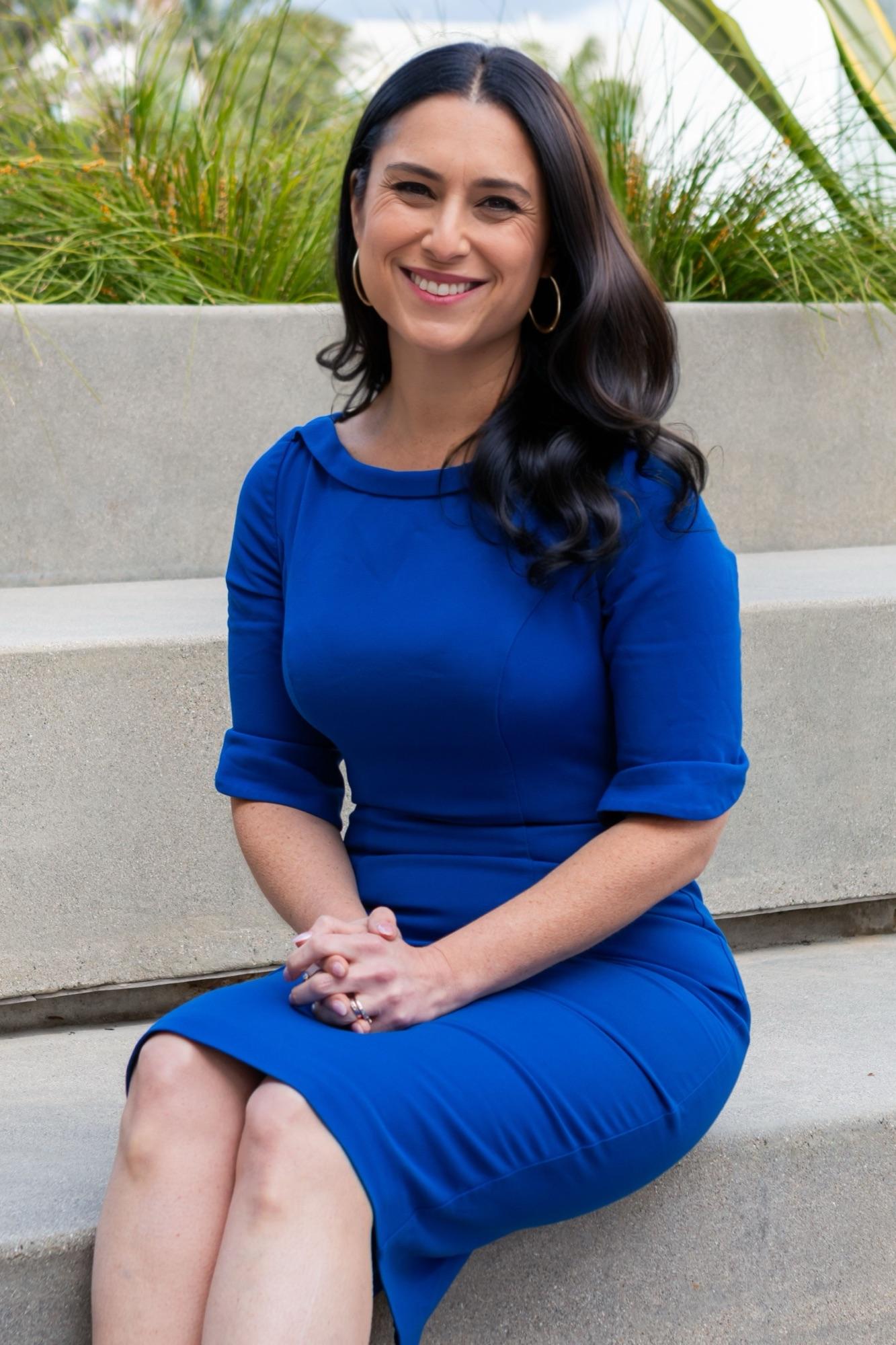
Yael Brudner smiling, seated outside the Brudner Law office

Two distinct humanitarian protections — evaluated together so nothing is missed

Survivors of violence, workplace coercion, domestic abuse, or exploitation rarely walk into an attorney’s office knowing which statutory section applies to what they endured. A workplace abuse or domestic servitude survivor might assume they only have a labor dispute when the facts actually meet federal T nonimmigrant labor-trafficking elements — while a survivor harmed by an unmarried partner, stranger, or employer may qualify for U nonimmigrant protection even when a family-based VAWA self-petition does not apply.

In a private, unhurried consultation, we listen to what you feel comfortable sharing, establish safe contact and mailing instructions first, and evaluate both Form I-918 and Form I-914 side by side so you pursue the strongest, fastest path available.

U nonimmigrant status (Form I-918): qualifying crimes, harm, and certification

To qualify for U-1 nonimmigrant status under Form I-918, a petitioner must establish four core statutory elements:

  • Qualifying criminal activity: Victimhood (including certain indirect or bystander victim rules, such as parents of victimized minor children) involving one or more enumerated crimes or substantially similar offenses violating U.S. federal, state, or local law — such as domestic violence, felonious assault, sexual assault, stalking, kidnapping, false imprisonment, extortion, robbery/manslaughter categories where substantially similar, obstruction of justice, or witness tampering.
  • Substantial physical or mental abuse: Evaluated across the severity of injury, duration of harm, lasting emotional or psychological trauma, and aggravation of pre-existing conditions.
  • Credible information and helpfulness: Possessing information about the criminal activity and having been, currently being, or being likely to be helpful to police, prosecutors, judges, child-protective agencies, or labor enforcement agencies (such as the EEOC or DOL) — without unreasonably refusing ongoing reasonable requests for assistance.
  • Mandatory Form I-918 Supplement B certification: Signed by a designated certifying official or judge, and received by USCIS within six months of the signature date before the certification expires.

Because Congress limits principal U-1 grants to 10,000 per fiscal year, USCIS places eligible pending petitioners in the Bona Fide Determination (BFD) and waiting-list review pipeline for deferred action and Form I-765 work authorization while awaiting final four-year U status.

T nonimmigrant status (Form I-914): labor and sex trafficking without a multi-year cap backlog

T-1 nonimmigrant status on Form I-914 protects survivors of a "severe form of trafficking in persons" — and unlike the U visa, its 5,000 annual statutory cap has rarely been reached, allowing approved T applicants to obtain four-year status, employment authorization incident to principal approval, and green card eligibility far sooner:

  • Severe trafficking definition: Labor trafficking (recruitment, harboring, transportation, provision, or obtaining of a person for labor or services through force, fraud, or coercion for involuntary servitude, peonage, debt bondage, or slavery — including confiscated passports, threats to call immigration, coerced unpaid labor, or abusive debt traps) or sex trafficking induced by force, fraud, or coercion (or involving a minor under 18). Crossing a border illegally is not required; trafficking frequently arises after a lawful visa entry or inside domestic workplaces and relationships.
  • Physical presence on account of trafficking: Showing how your current physical presence in the United States remains connected to the trafficking or its investigation, trauma, or recovery — even if the trafficking ended years ago before you learned legal help existed.
  • Reasonable assistance and statutory exceptions: Reporting and complying with reasonable law-enforcement requests, unless you were under age 18 at the time of victimization OR are unable to cooperate due to physical or psychological trauma. Unlike U visas, Form I-914 Supplement B is optional evidence, never a mandatory gatekeeper.
  • Extreme hardship involving unusual and severe harm upon removal from the United States.

Broad inadmissibility waivers (Form I-192) and the bridge to a green card

Many crime and trafficking survivors carry entries without inspection, prior deportation orders, visa overstays, or coerced offenses connected to their victimization. Humanitarian waiver authority on Form I-192, Application for Advance Permission to Enter as a Nonimmigrant, empowers USCIS to waive nearly all non-security inadmissibility grounds in the public or national interest when properly documented upfront rather than concealed.

Once granted U or T status, both categories create a dedicated statutory path to lawful permanent residence on Form I-485 — generally after three years of continuous physical presence in U status (paired with continued humanitarian ground and non-refusal of reasonable law-enforcement assistance), or three years in T status (or earlier upon completion of the trafficking investigation/prosecution with Attorney General certification).

Starting records for a confidential survivor review

You never need an organized legal binder — or a signed Supplement B already in hand — before scheduling a consultation:

  • Safe contact instructions first: A private phone number, email, and safe mailing address that no abuser, trafficker, or unsafe employer can view.
  • Available police, agency, or court records: Police incident numbers, protective orders, prosecutor or victim-advocate cards, workplace records, or notes on where and when an offense occurred so our team can prepare targeted Supplement B certification requests where needed.
  • Current immigration and prior history: Passports (if in your possession), entry history, prior immigration filings, court notices, or criminal dispositions.
  • Counseling, medical, or support records and family documents: Any treatment notes you choose to discuss, plus birth or marriage certificates for eligible derivative family members here or abroad.

Trauma-informed U and T visa counsel at Brudner Law

Practicing immigration law exclusively nationwide, Brudner Law handles humanitarian survivor petitions with deep sensitivity and strict federal confidentiality safeguards — coordinating through our legal team on certifying-agency Supplement B outreach, broad Form I-192 inadmissibility waivers, derivative family petitions, Bona Fide Determination work permits, and later Form I-485 green card filings.

We explain our scope of representation and legal fees clearly in writing before you retain our firm (noting that USCIS provides statutory fee exemptions across principal and derivative Form I-918 and Form I-914 packets and associated initial forms under current schedules).

Helpful survivor guides and your next step

Official survivor protection resources

Review USCIS Form I-918 (U Nonimmigrant Status), USCIS Form I-914 (T Nonimmigrant Status), and the USCIS Humanitarian Programs overview. This page provides general information and does not establish eligibility or create an attorney-client relationship.

Questions about your case?

Talk with an immigration attorney in Irvine or by video. Consultations are $165 by video and $195 in person.

Book a consultation (714) 794-9366
Yael Brudner pointing toward the steps to get started

How it works

Three steps to a clear path.

  1. 1

    Free · by phone

    A free first call

    Tell our intake team what is happening. We listen, answer your first questions and point you to the right next step.

  2. 2

    Paid · in person or video

    Your attorney consultation

    A thorough review of your situation with an attorney, and a clear strategy for your case before you commit to anything.

  3. 3

    Start to finish

    We take it from there

    We prepare, file and track every form and deadline, and keep you informed until your case is decided.

Client stories

Real people. Real approvals.

4.8200+ Google reviewsRead client reviews
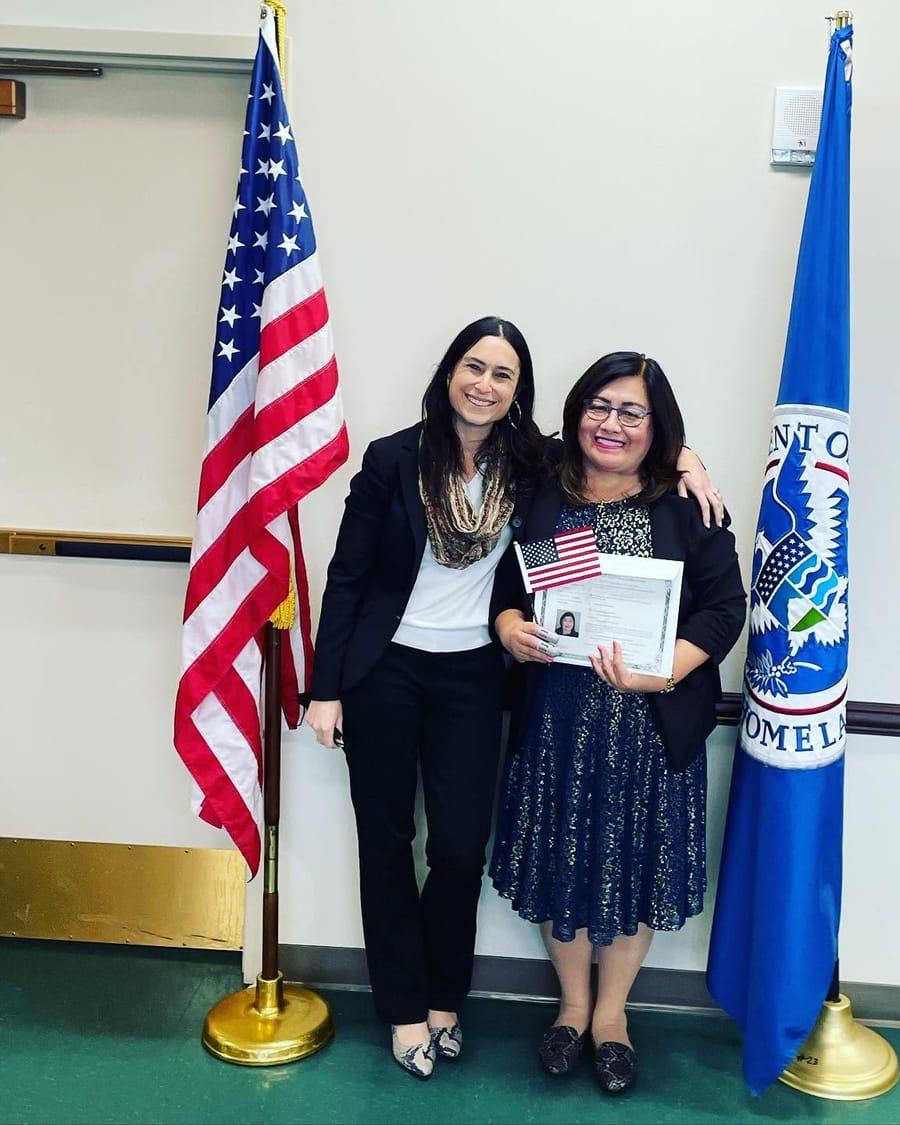
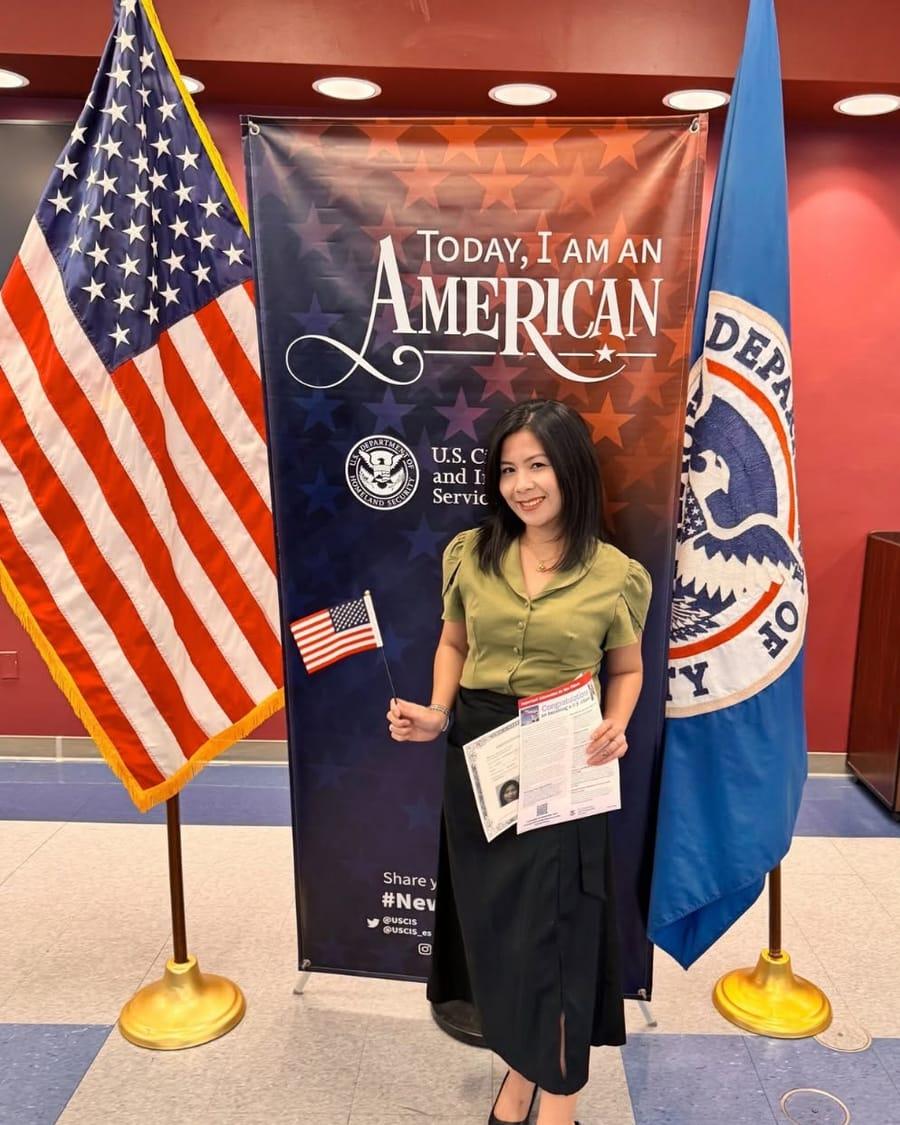
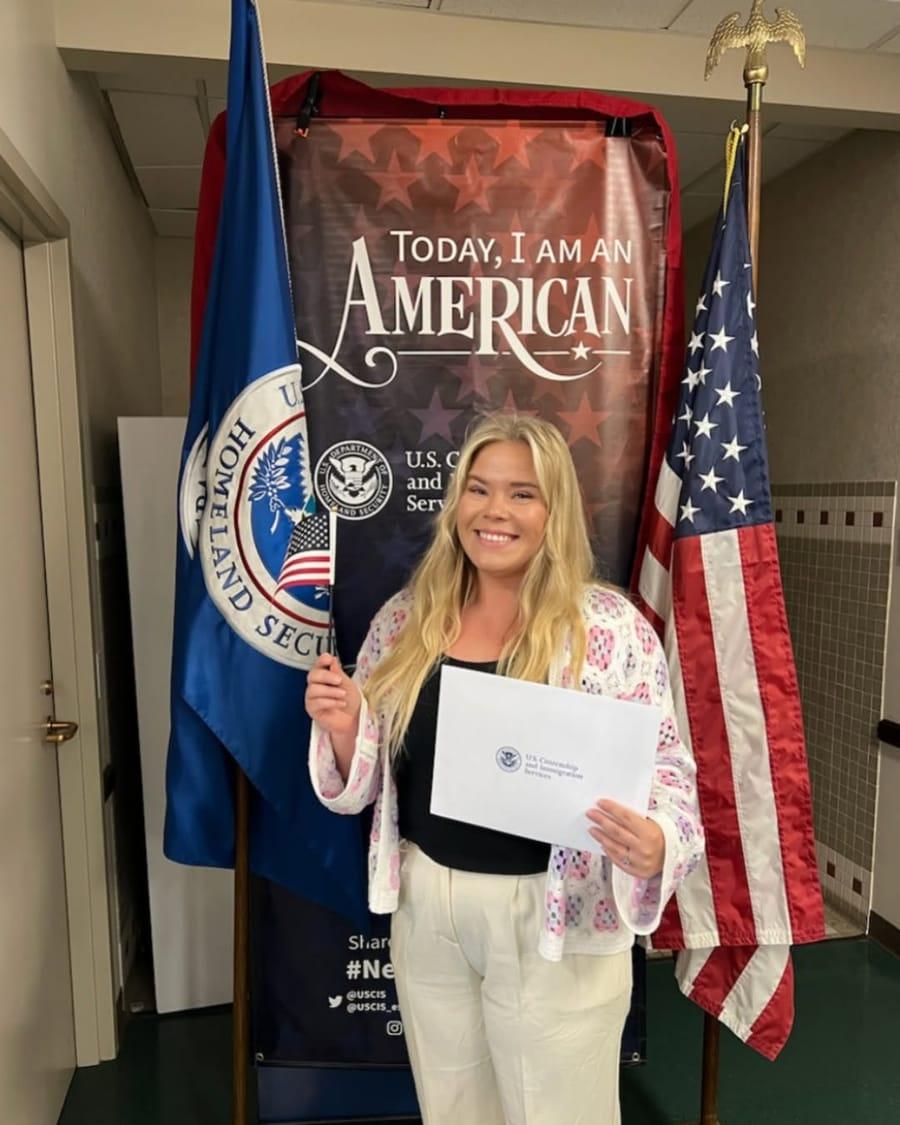
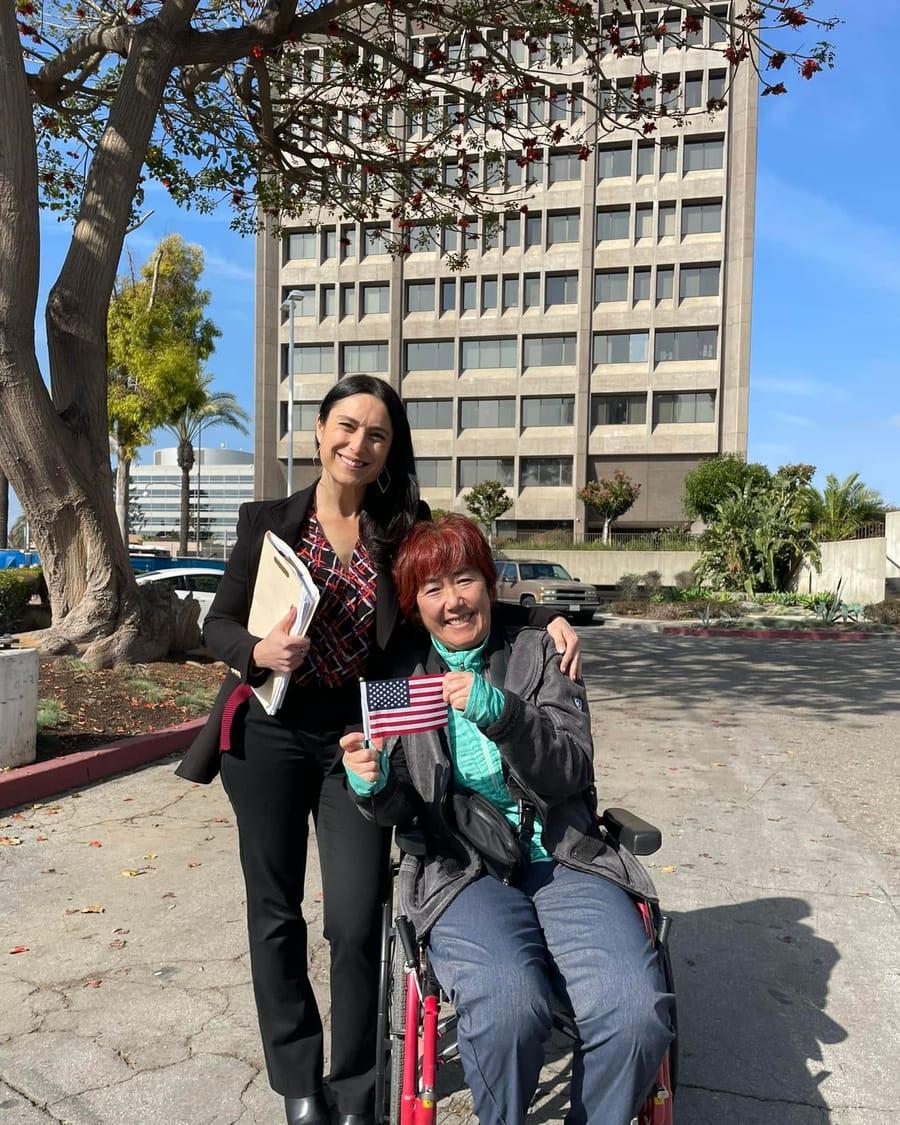
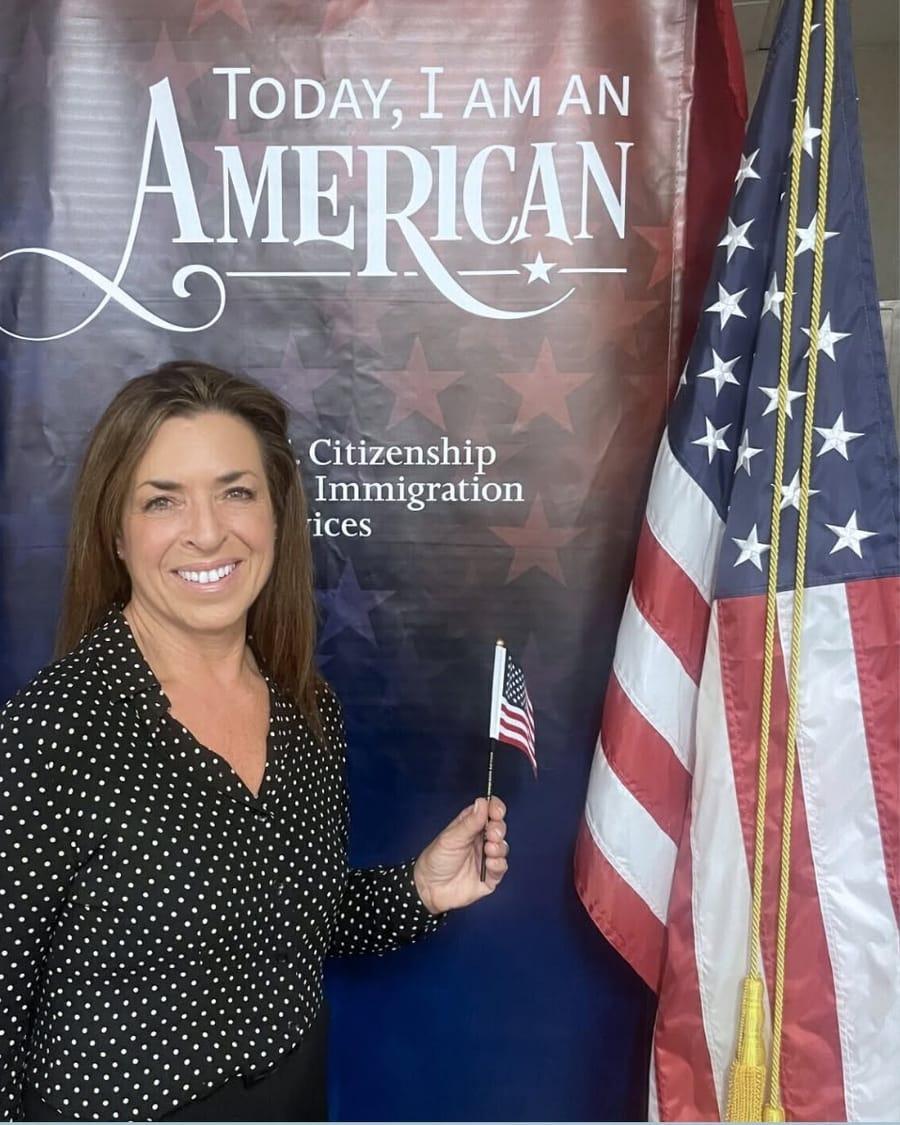
  • A Brudner Law client: new u.s. citizenNew U.S. citizen
  • A Brudner Law client: oath day, with yaelOath day, with Yael
  • A Brudner Law client: new u.s. citizenNew U.S. citizen
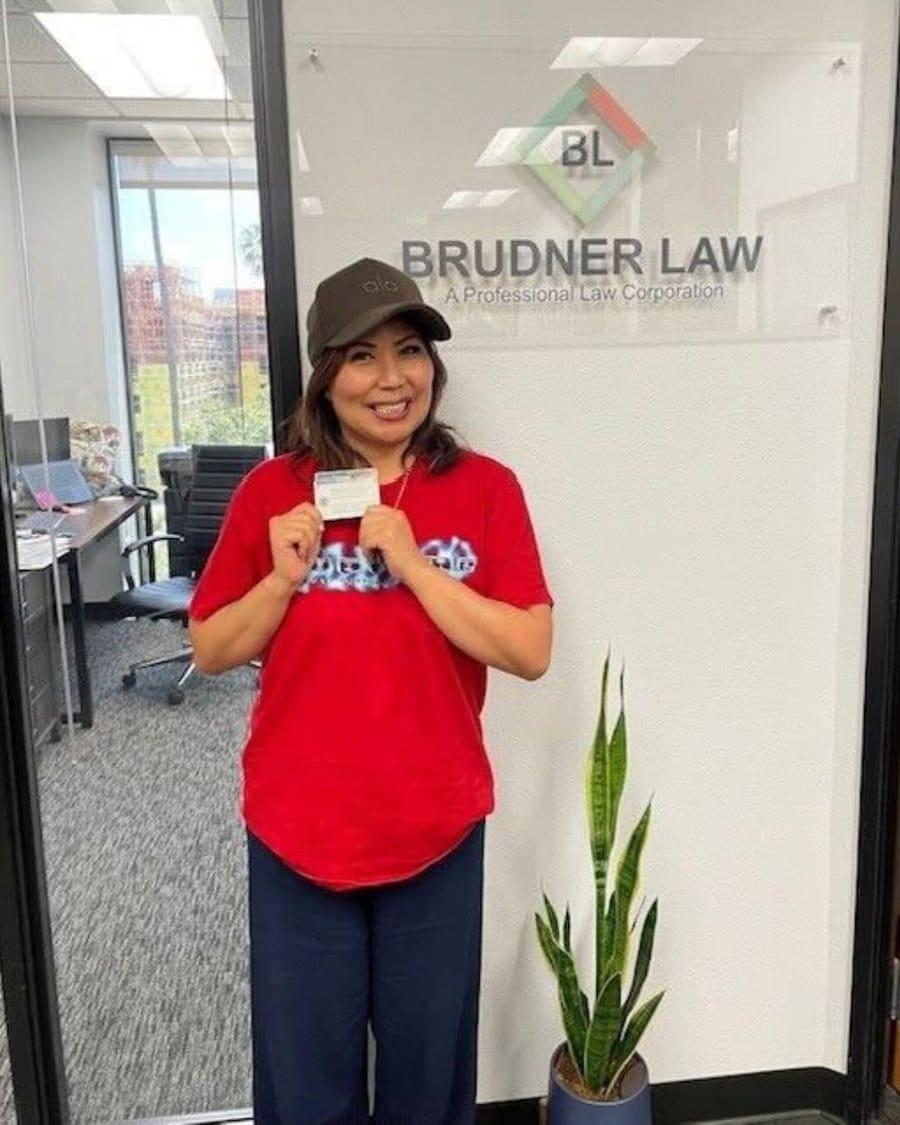
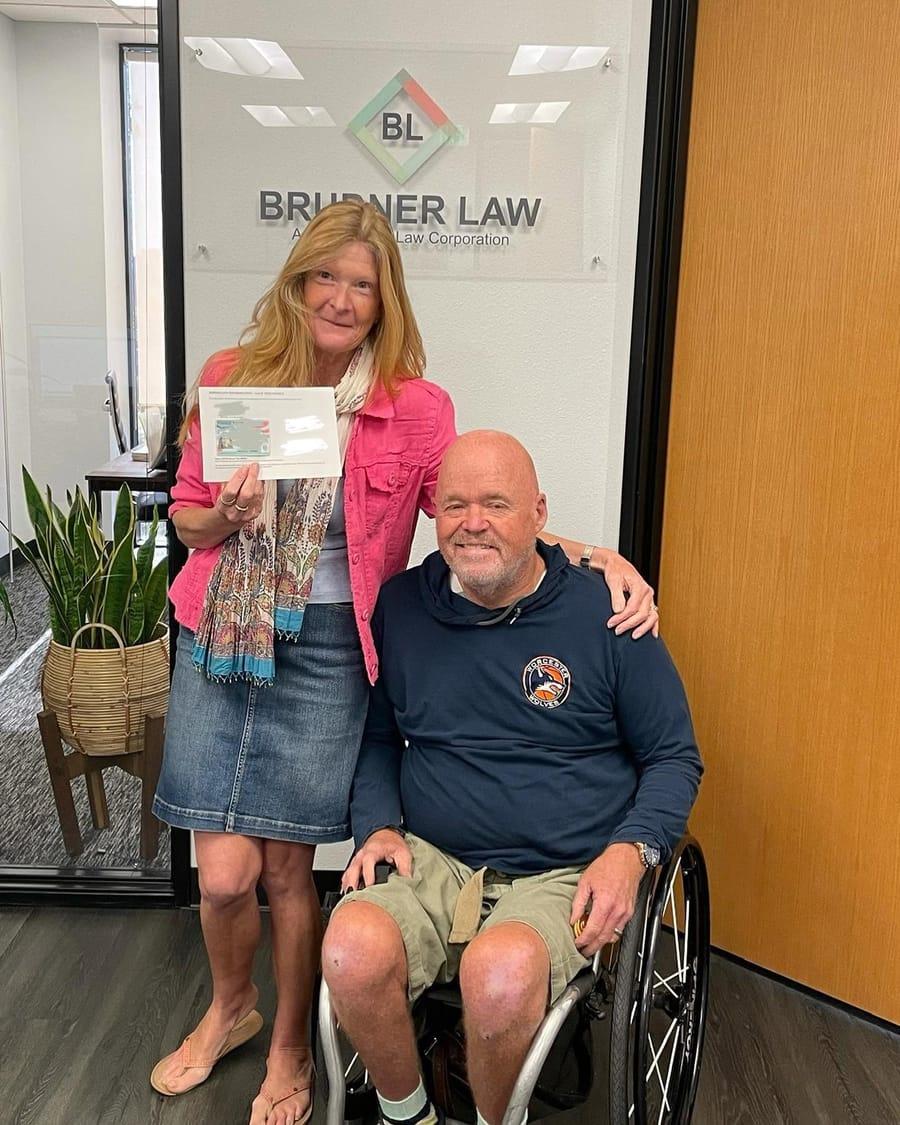
  • A Brudner Law client: approvedApproved
  • A Brudner Law client: new u.s. citizenNew U.S. citizen
  • A Brudner Law client: celebrating togetherCelebrating together
  • A Brudner Law client: new u.s. citizenNew U.S. citizen
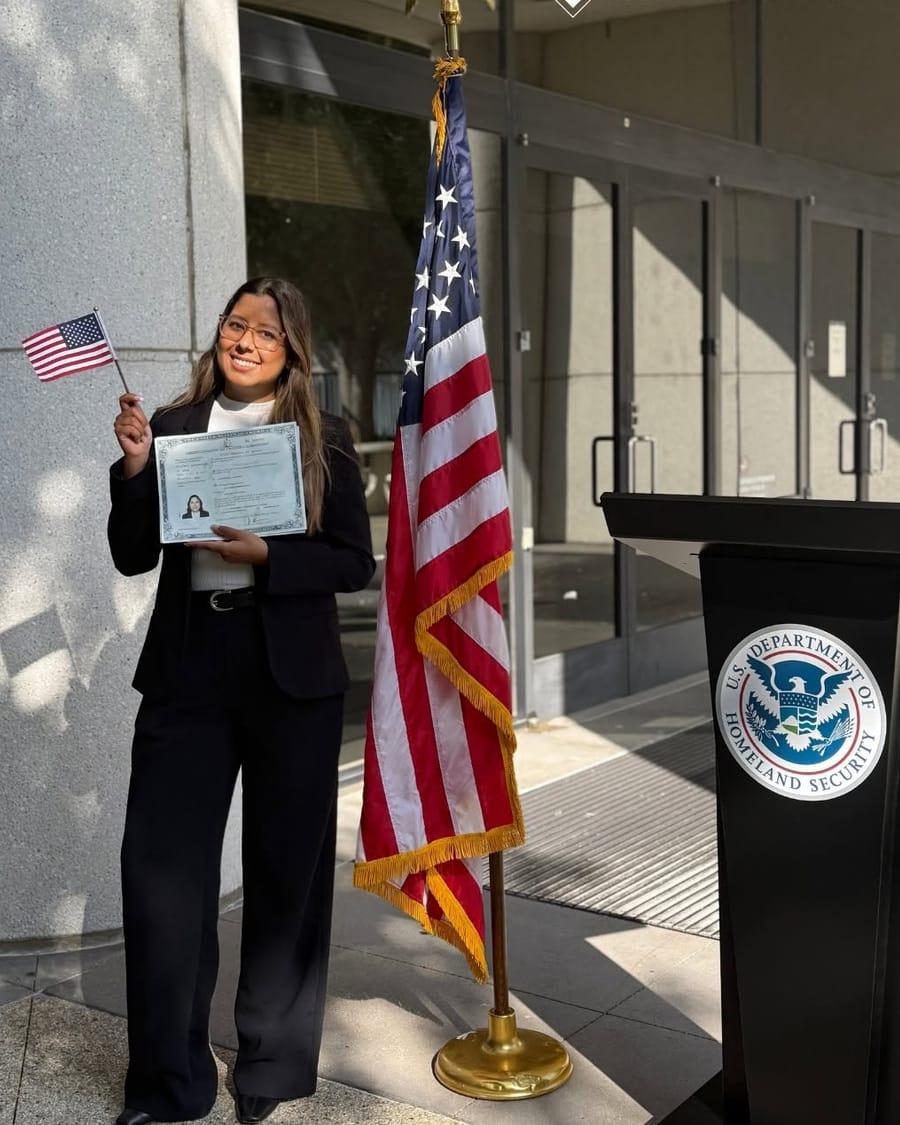
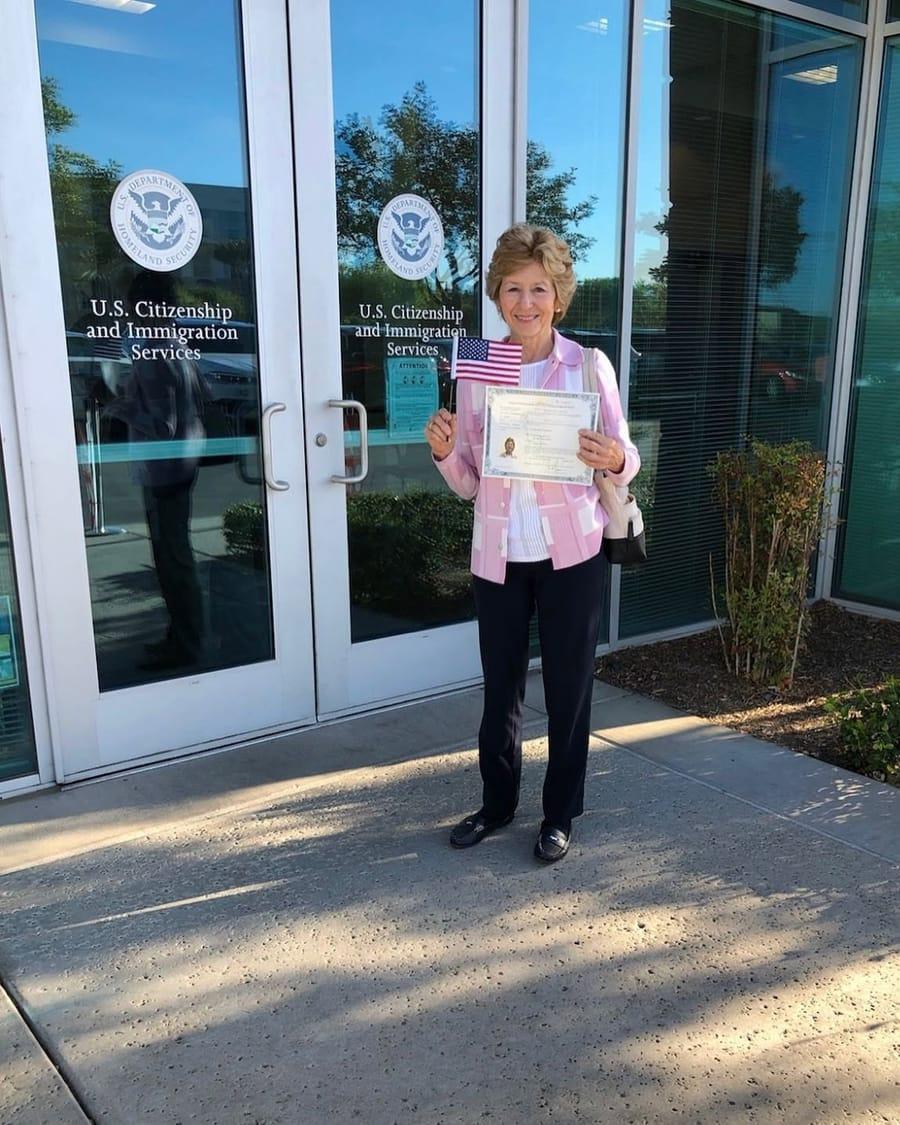
  • A Brudner Law client: certificate in handCertificate in hand
  • A Brudner Law client: new u.s. citizenNew U.S. citizen
  • A Brudner Law client: a proud dayA proud day
  • A Brudner Law client: new u.s. citizenNew U.S. citizen
01 / 11

In their words

  • Approved in under 3 months

    A marriage-based green card

    “With their dedication, my marriage-based green card was approved in less than 3 months. Today, I am a proud U.S. permanent resident, and this security brings great joy to my family.”
  • After 35 years of trying

    The green card no one else could get

    “After 35 years of seeking help with no success, we found Yael Brudner and her team. Despite the challenges, they achieved the impossible: securing my husband’s green card.”
  • Approved after a five-year climb

    An E-2 investor visa

    “They supported me through a very messy case and ultimately succeeded in getting me my E-2 visa after a five-year climb. I’m beyond grateful.”
  • Citizenship
    “I just received my American citizenship!!! Everything went nice and smoothly from the beginning to end thanks to Vanessa and Miriam who did a great job.”
  • Citizenship
    “Thanks to them we are now officially USA citizens! They made the immigration process seamless and were available to answer all our questions.”
  • Green Card
    “Helped my wife get a green card despite being a difficult case. 10/10 would recommend.”
  • Green Card
    “Brudner Law made the green card process smooth and stress-free. Everyone was professional, responsive, and kind throughout.”
  • Green Card
    “In 5 months I got my green card. No matter where you come from, I suggest you go with Brudner Law.”
  • Residency
    “They are extremely knowledgeable. They helped my husband complete his residency, and were so great.”
  • Naturalization
    “Excellent guidance through my N-400 Naturalization process. I am extremely grateful for all of your help.”
  • E-2 Visa
    “Great experience exploring the E-2 visa path. Clear guidance, practical business insight, and a true end-to-end solution.”
  • Green Card
    “Green Card approved fast. Approved within 7 months for my 2-year GC and approved fast again for my 10-year.”
  • Immigration
    “They made a very stressful process nice and easy for us, and helped reduce the overall stress and anxiety of everything.”
  • Immigration
    “I want to personally thank all the team attorneys and staff for their professionalism and attention to my case.”
  • Citizenship
    “Excellent advice provided on a citizenship case, with deep knowledge of the process and current immigration environment.”
  • Immigration
    “Wonderful experience, everyone is so kind and professional. Thank you all for your hard work.”
  • Immigration
    “I trust them a lot—very helpful and organized. I’m really happy with the process.”
  • Immigration
    “She was professional, knowledgeable, and always available to answer my questions. She helped me throughout the process and made everything much easier to understand.”
01 / 18

Questions

Ready to start, but still wondering?

Immigration questions rarely have one-line answers. If yours isn’t here, our intake team is a phone call away.

(714) 794-9366
What is the main difference between a U visa and a T visa?

U nonimmigrant status (Form I-918) protects victims of qualifying criminal activity in the United States who suffered substantial physical or mental abuse and have been, are being, or are likely to be helpful to law enforcement — requiring a signed certification. T nonimmigrant status (Form I-914) protects survivors physically present in the United States on account of severe labor or sex trafficking, with distinct cooperation rules and far faster visa-cap availability.

Is a signed law-enforcement certification required for both U and T visas?

For a U visa, yes: Form I-918 Supplement B signed by an authorized certifying official within the six months immediately preceding filing is mandatory, though signing it does not guarantee USCIS approval. For a T visa, Form I-914 Supplement B is helpful optional evidence rather than a mandatory requirement — and statutory trauma or under-18 exceptions can excuse law-enforcement reporting or cooperation.

Does human trafficking require being smuggled across an international border?

No. Human smuggling and human trafficking are completely different legal concepts. Severe trafficking under federal law occurs whenever force, fraud, or coercion induces labor, services, or commercial sex (or commercial sex involving anyone under 18 even without force, fraud, or coercion) — including situations that began inside a lawful job, domestic household, or relationship entirely within the United States.

How do the annual U visa cap and Bona Fide Determination process affect waiting times?

Congress caps principal U-1 approvals at 10,000 per fiscal year, creating a multi-year queue before final U status grants. While waiting in line, USCIS reviews eligible pending U petitions for a Bona Fide Determination (BFD) or waiting-list placement, which can grant deferred action and eligibility for a work permit long before a cap number opens. T visas carry a 5,000 annual cap that has historically remained unexhausted.

Can prior unlawful entries, removals, or immigration violations be waived in a U or T case?

Often yes, through specialized humanitarian waiver authority. Form I-192 allows U and T applicants to seek discretionary forgiveness for a much broader spectrum of inadmissibility grounds — including entries without inspection, prior removal orders, and misrepresentations — than ordinary family or employment waivers permit, though every criminal or immigration issue still requires candid attorney review.

Which family members can be included as derivatives on a U or T application?

Derivative eligibility turns on the principal survivor’s age: if you are under 21, eligible derivatives can include your spouse, unmarried children, parents, and unmarried siblings under 18; if you are 21 or older, eligible derivatives include your spouse and unmarried children under 21 (with special T-visa family-danger provisions in narrow cases).

Yael Brudner smiling, seated outside the Brudner Law office

Your next step

Your American dream starts with one conversation.

If your case is time-sensitive, don’t wait. Book a consultation in Irvine or by video from anywhere in the world.

Prefer video? Book a virtual consultation.